Amid the decisive global push toward decarbonization, hydrogen is gaining notice as a breakthrough next-generation energy source.
Hydrogen offers several advantages: It produces no CO2 emissions, is storable and transportable, and can be produced from a wide range of resources. Although it presents some challenges, including infrastructure development and cost, its potential applications are being explored across many fields. These include use as an adjustable power source that can increase or decrease output as needed, particularly in areas where electrification is difficult. Hydrogen is more than just an alternative energy source: It holds wide-ranging potential to help achieve sustainability.
While many initiatives are underway to realize a society that makes full use of hydrogen, Kubota has a vision of contributing across the entire hydrogen supply chain based on the fields of food, water, and the environment, through which it can offer its unique strengths.
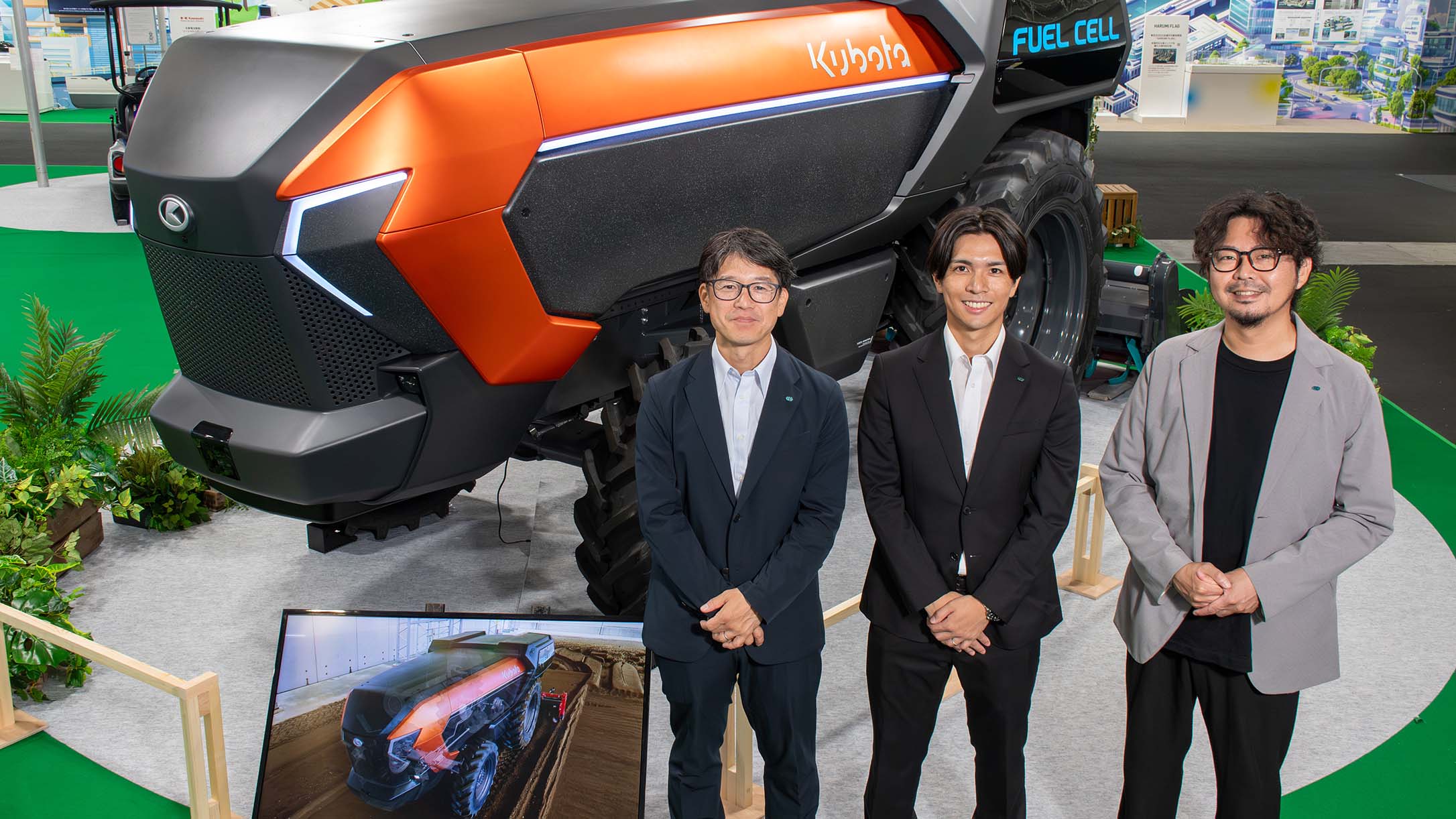
In this article, we explore some specific initiatives Kubota is taking in the food and agriculture fields toward shaping a future with hydrogen. The main attraction is the autonomous hydrogen fuel cell tractor (autonomous FC tractor) that it presented to the public for the first time in the world.
This autonomous FC tractor was exhibited at the “Hydrogen Energy Park!!” event held during Expo 2025 Osaka Kansai’s Future of Earth and Biodiversity Week, where visitors could experience hydrogen energy for themselves. Here we present interviews with the developers whose work will cultivate the future, featuring some of the struggles and breakthroughs that took place behind the scenes of this tractor’s creation.
A Changing Earth and Challenges of Agriculture: Decarbonization and Labor Reduction
The impacts of climate change are intensifying throughout the world. Extreme weather events, such as rising temperatures, droughts, and heavy rainfall, are leading to poor crop growth, declining quality, and reduced yields, which directly affect farms.
Amid these circumstances, the world is rapidly moving toward carbon neutrality. As with industries such as energy, transportation, and construction, the agricultural sector is now being called upon to fulfill a new mission of decarbonization. Efforts to achieve carbon neutrality by 2050 are also being pursued in Japan, focusing on expanding the adoption of renewable energy and utilizing next-generation energy sources such as hydrogen.
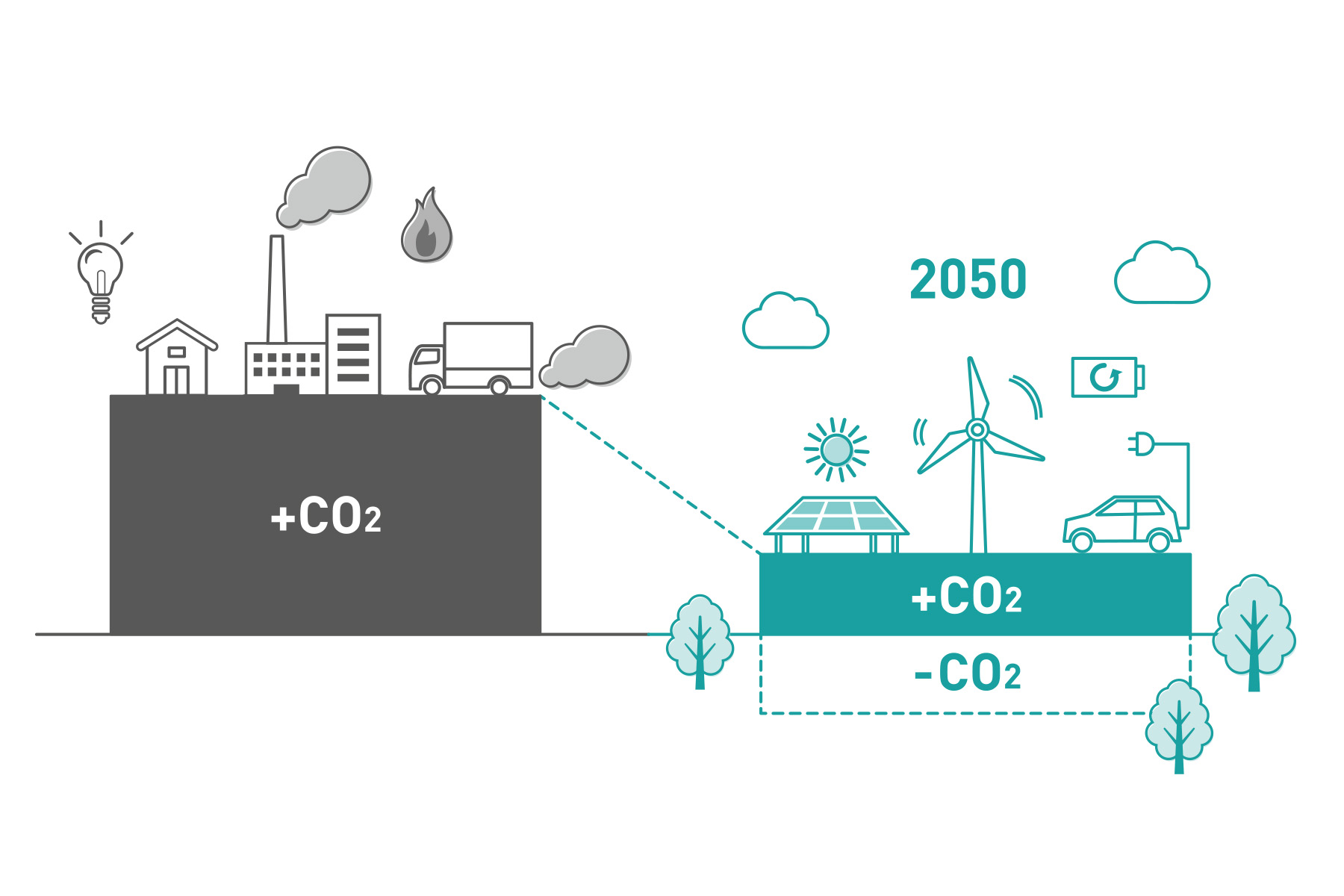
However, agriculture itself is also seen as a source of greenhouse gas emissions. The impact of greenhouse gases emitted during farmwork processes, such as fossil fuels used by agricultural machinery and methane gas emitted from rice paddies, cannot be ignored. Achieving both goals of producing food sustainably while protecting the global environment is in itself the greatest challenge facing agriculture from here forward.
What is more, farms continue to face severe labor shortages. The average age of Japan's core agricultural workers is 68.7. As the agricultural workforce declines year by year, there is an urgent need for labor-saving measures and new technologies to improve efficiency.
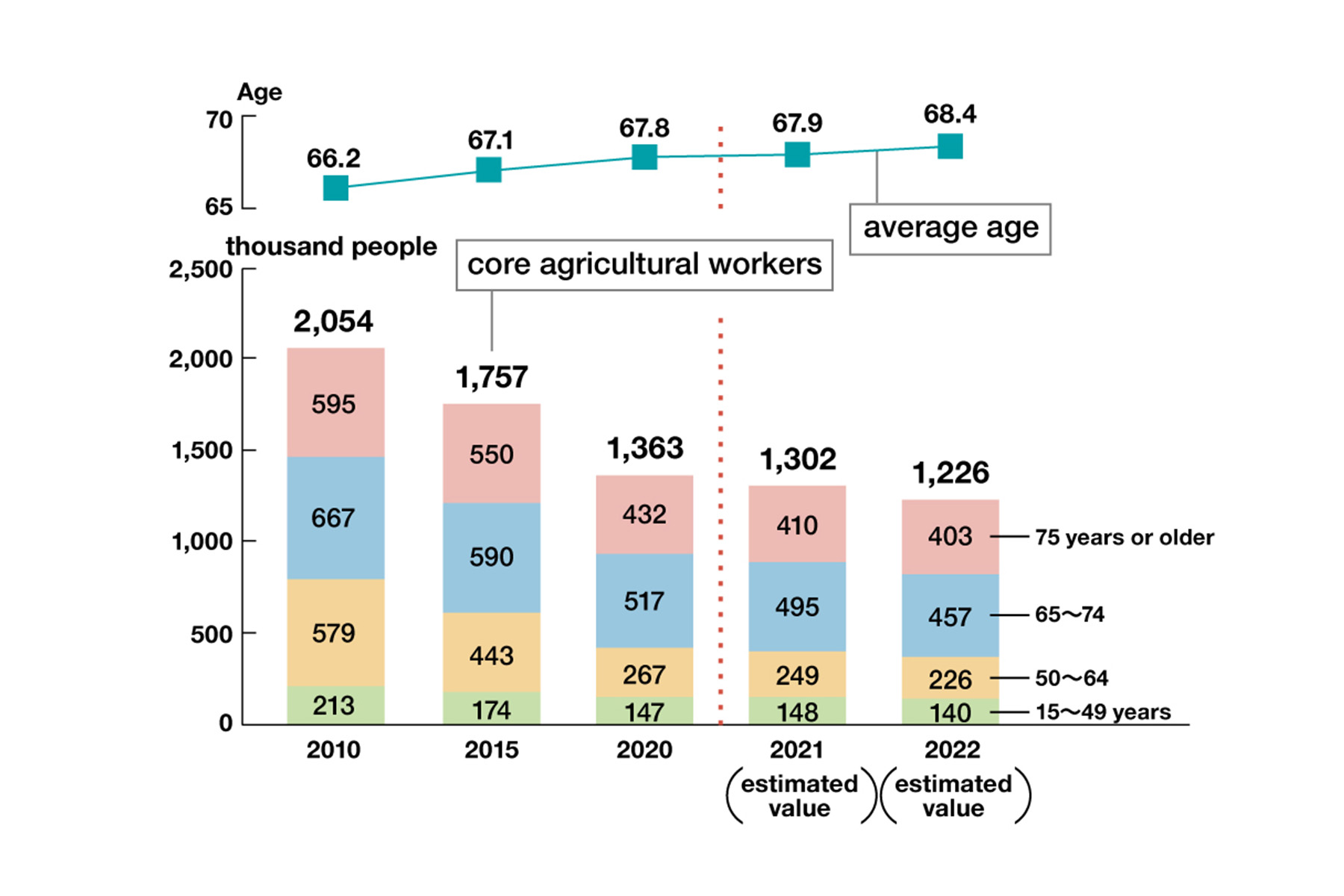
At the same time, the global population is projected to reach around 10 billion by 2050. Enhancing the sustainability of agriculture will be essential for meeting the growing demand for food. Achieving both environmental conservation and a stable supply has become an urgent priority for supporting food security.
While tackling the twin challenges of decarbonization and labor reduction, Kubota has combined its technologies with its commitment toward solving social issues in an unprecedented development environment.
From here, we have asked the development team leader, a young engineer, and a designer to share their thoughts on this challenge and their hopes for the future.
Hydrogen & Autonomous Driving: Kubota’s Quest for Implementation of a Hydrogen Society
Yuki Minamide, Deputy Manager of the Technology Innovation R&D Department II, joined the development team for the new hydrogen fuel cell tractor project launched within the company in 2021.
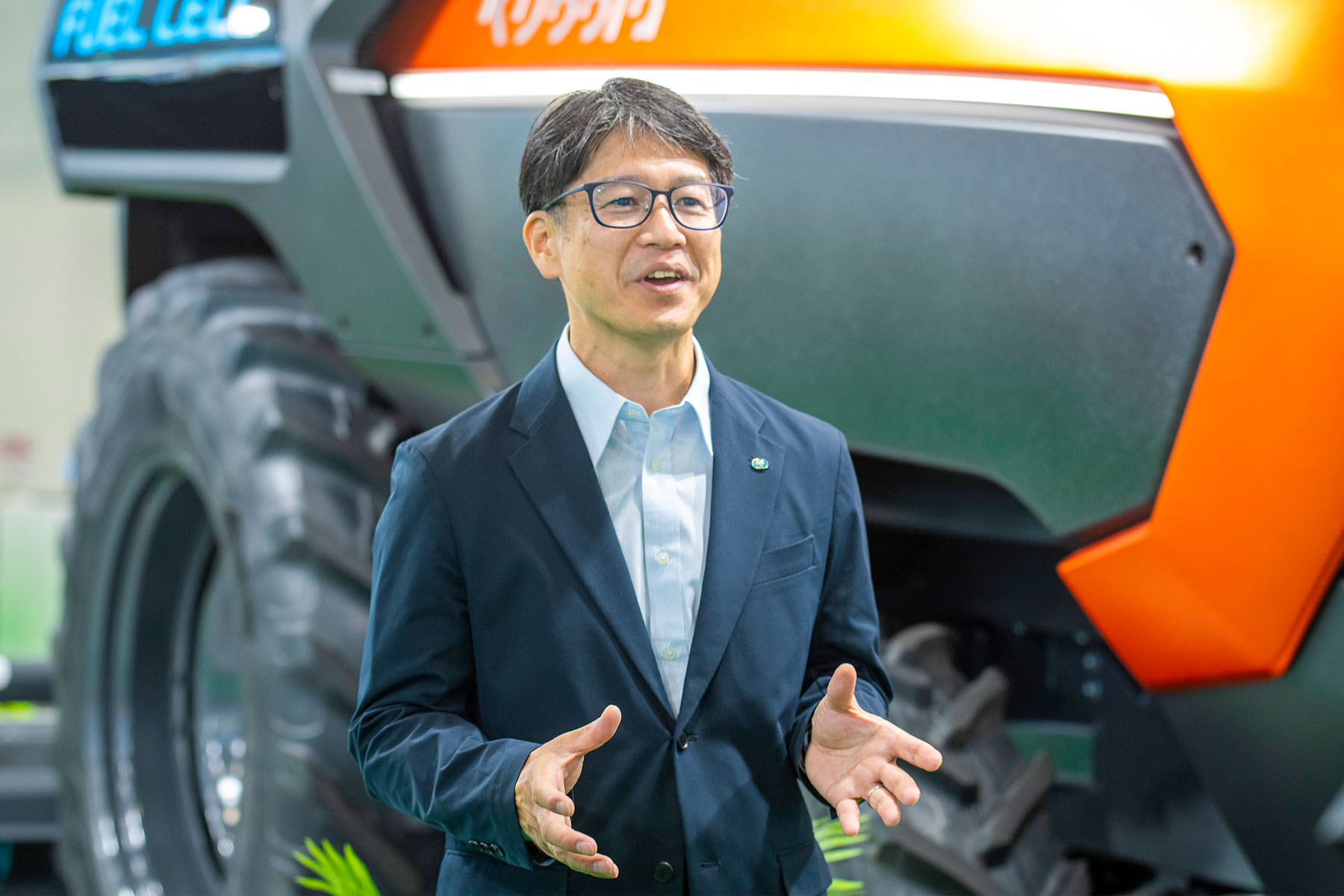
"Before joining the development team,” explains Minamide, “I mainly worked as an engineer in image analysis and processing, detecting oil leaks in rice transplanters and performing visual inspections of cast components. When the company ordered me to ‘start exploring the potential of fuel cells,’ I began by looking into just what fuel cells were all about."
Behind this initiative was Kubota’s long-standing, all-encompassing approach toward decarbonization.
Kubota has long pursued a multifaceted range of R&D initiatives aimed at decarbonization, from battery-driven electrification to engines powered by hydrogen, biofuels, and synthetic fuels. Among these options, Kubota identified hydrogen fuel cells as an option particularly well-suited to meet the unique requirements of agricultural machinery: High output and long operating hours.
“Agricultural machinery doesn’t simply move from place to place – it consumes more energy to perform tasks than you may realize,” he explains. “The high energy density of systems that use hydrogen fuel cells is a major advantage because it allows machines to maintain high power as they keep working throughout a full day in the field.”
In addition to their output, significant environmental performance is another major advantage of hydrogen fuel cells. Because they generate electricity through a chemical reaction, their only byproduct is water. They emit no CO2, are quiet and clean, and offer quick refueling times. These factors made hydrogen fuel cells the technology of choice for large tractors in next-generation agriculture that will require decarbonization.
At the same time, labor reduction was another challenge that the team could not avoid addressing.
“With the new technology of hydrogen fuel cell technology, which addresses decarbonization, we combined the autonomous driving and remote operation technologies that Kubota has refined over many years,” says Minamide. “We believed these would lead to a solution that only Kubota could deliver.”
Kubota took on this quest by integrating various technologies it had accumulated and delving into the basic research for an entirely new kind of tractor. Another key aspect of these efforts was handled by the design team, who would give the concept its form.
When Technology Takes Shape, Principles Come to Life.
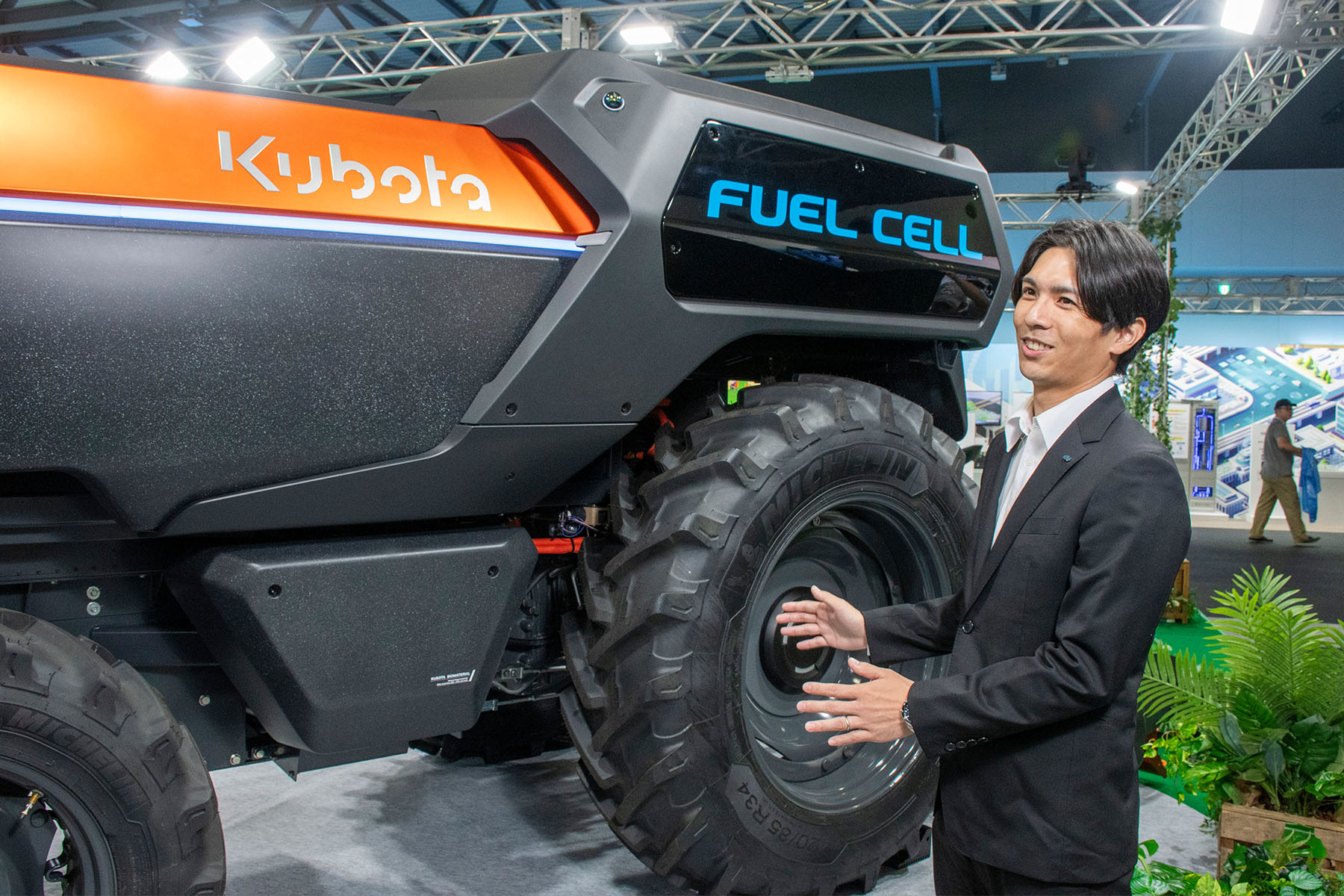
Yuki Tomida of the Design Center was responsible for the design of the autonomous FC tractor. While Minamide worked on refining the core technologies, Tomida explored the question of what this machine should represent.
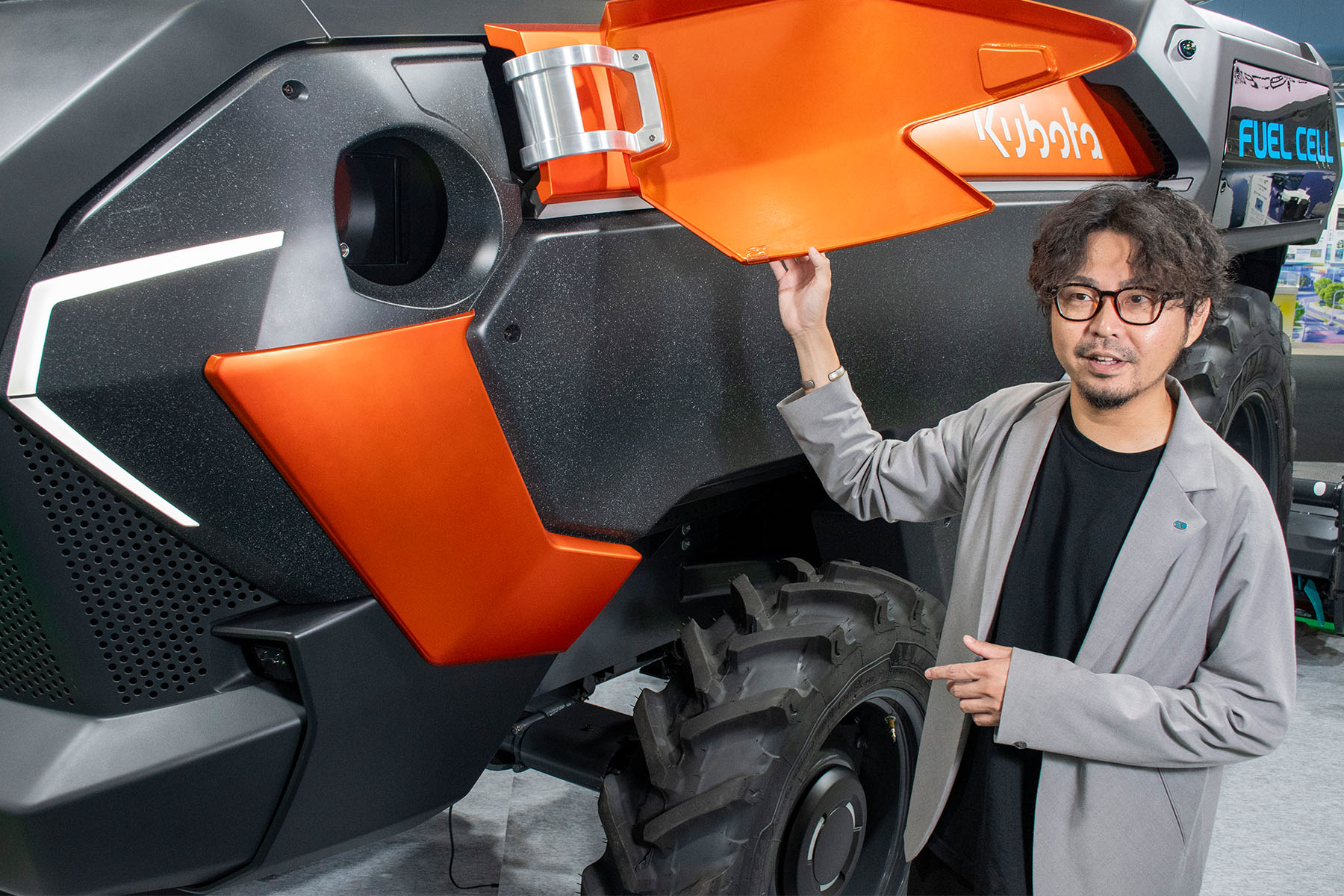
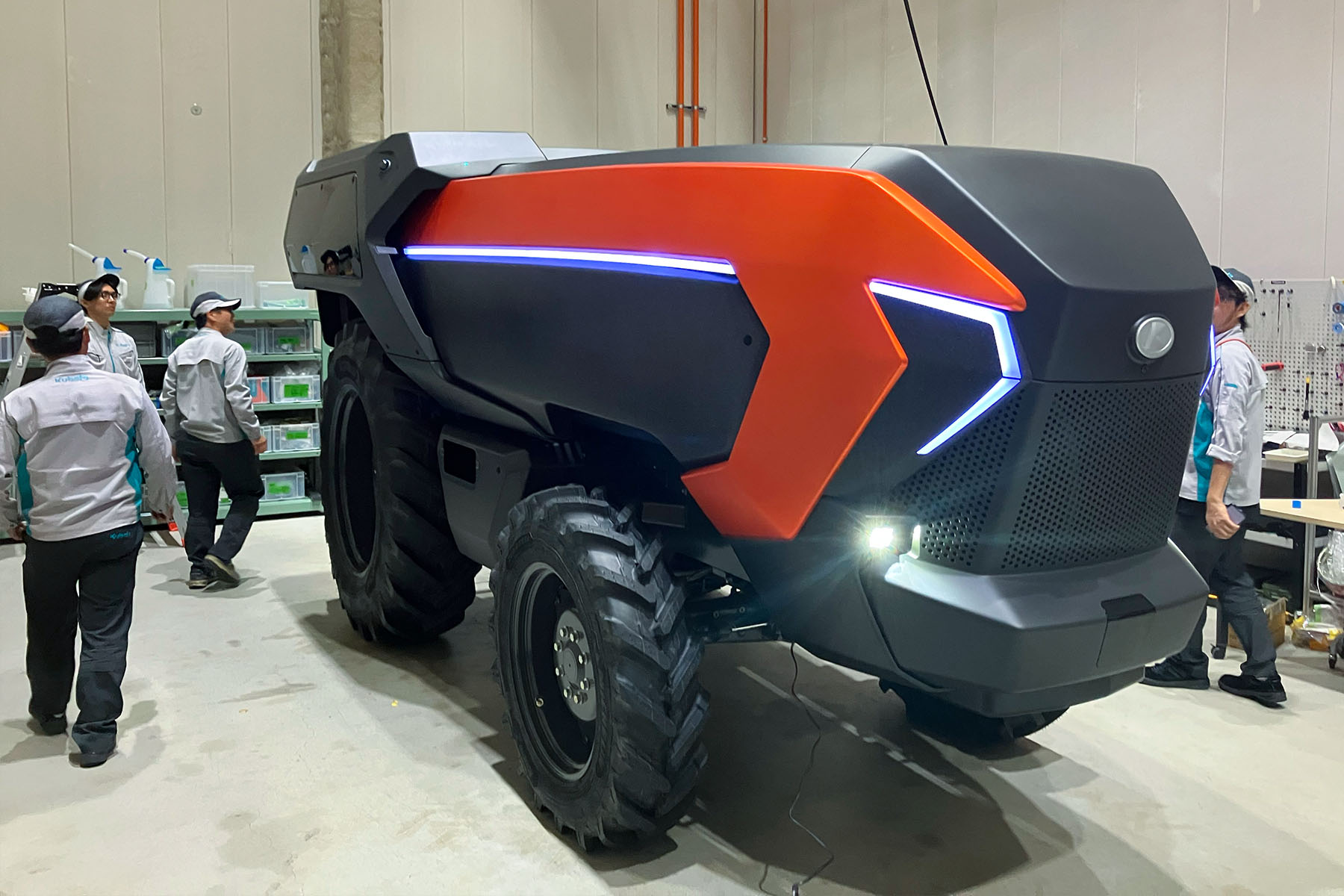
The design concept that Tomida suggested focused on a single kanji character that is read rai and means “reliability.” Combining the solidly dependable presence and practicality of a large tractor, roughly equivalent to 100 horsepower, he carefully considered the materials, lines, and volume that would embody the advanced nature of this cutting-edge research machine.
The resulting model not only captured the attention of visitors to the “Hydrogen Energy Park!!” exhibition but also conveyed a realism showing it could be suitable for real-world operation. Its form conveys an instant impression: “This machine could really be working in fields in the near future.” That was the balance of functional beauty and futurism that the design team aimed for.
Autonomous FC Tractor Developer Challenges and Overcoming Technological Hurdles
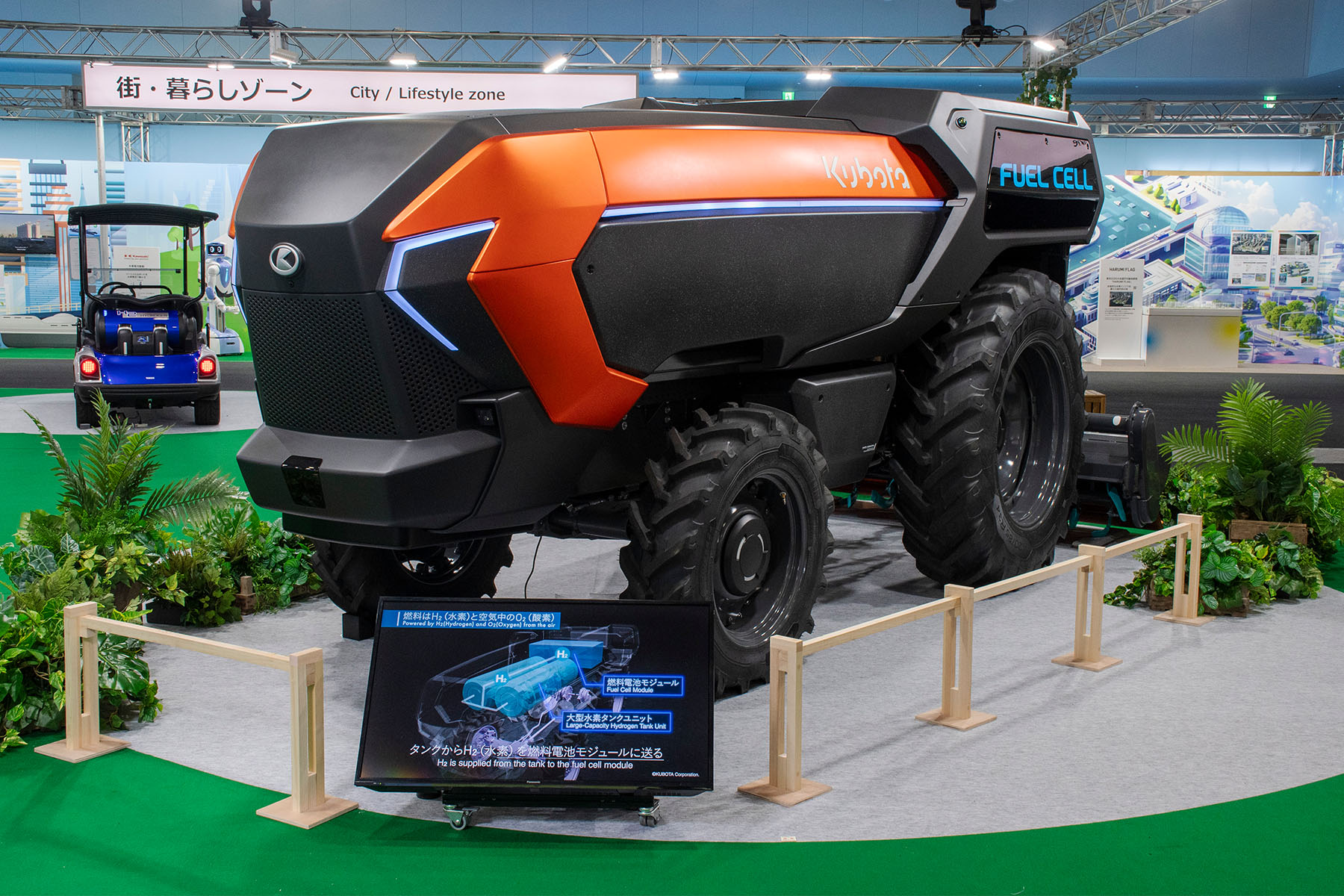
The development team first considered methods for minimizing energy loss in order to utilize onboard hydrogen without wasting it. This led them to make improvements to the underbody transmission. The initial prototype simply replaced the engine of an existing tractor with a motor. Instead of simply using the multi-speed gearbox and power-split mechanism designed for an engine, they took on a new transmission design optimized for electric motors.
The result was a dual-motor configuration, with one for driving and another for operation of implements (PTO*1). By separating the motors for movement and work, the structure became simpler, and the independent power control for each motor led to energy efficiency improvements.
- *1. Power Take-Off: A mechanism that transmits mechanical power to external devices attached to the rear of the vehicle.
“We removed all the existing components and redesigned everything from the ground up,” recalls Minamide about the early phase of development. “Even a single error in motor placement or gear configuration would stop it from moving. We disassembled and reassembled it numerous times.”
The biggest external change was the structure without a cabin (driver’s seat). The initial prototype placed a large-capacity hydrogen tank over the cabin, with a person operating the tractor while riding it. On the other hand, the autonomous FC tractor has no driver’s seat, and it is run using autonomous or remote operation.
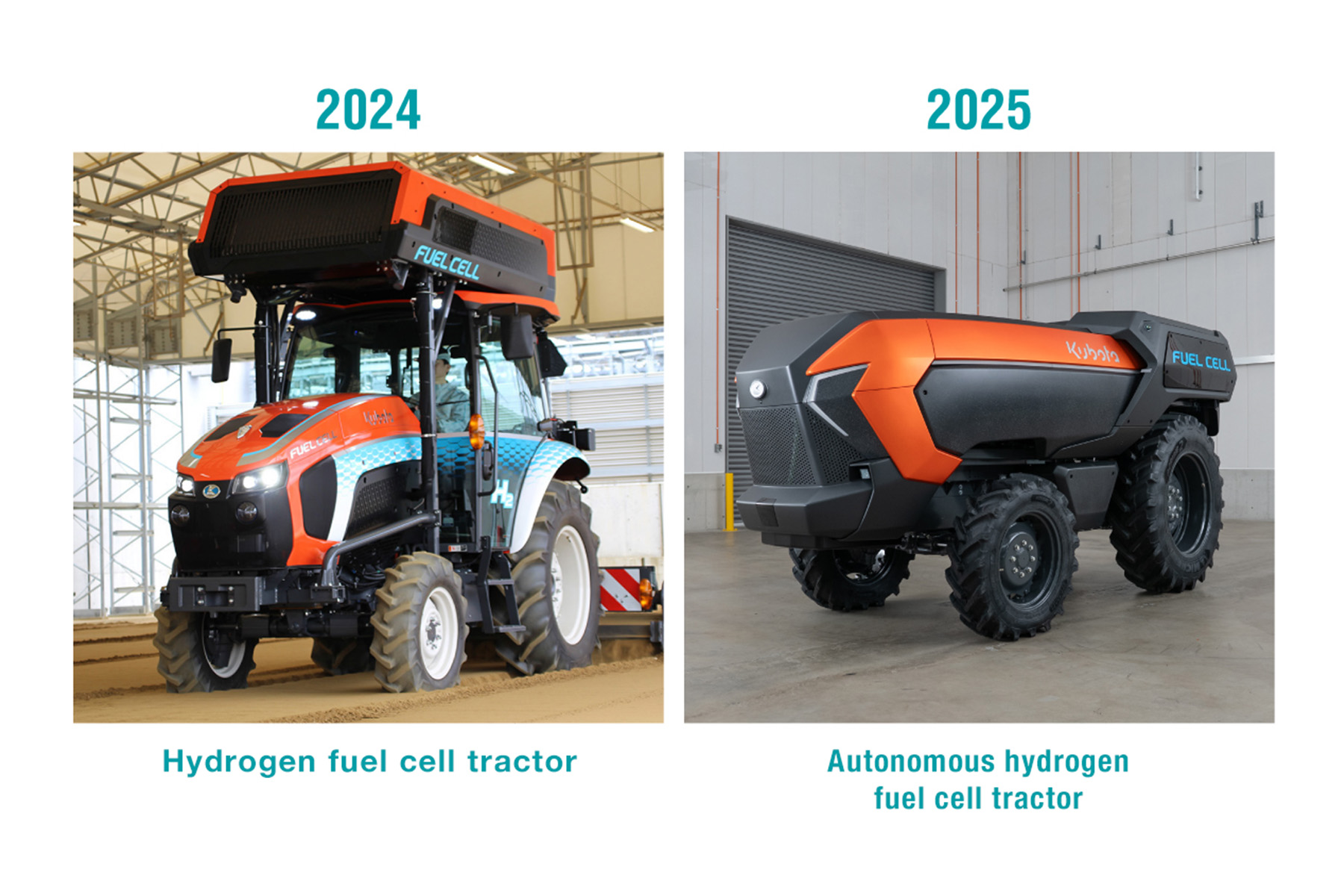
Reducing labor is one of the greatest challenges facing the sustainable development of agriculture. When Minamide began rethinking next-generation tractors from the ground up, he imagined that a future would come in which autonomous operation becomes the norm. With that future in mind, he arrived at the idea of designing the tractor that would not need an operator in the cabin.
“I tried to clear my mind and set aside preconceptions,” recalls Minamide. “That’s when the option of eliminating the cabin came into focus. Removing the driver’s seat opened up new space, allowing us to arrange all the components required for a fuel cell tractor, including the hydrogen fuel cell module, motor, battery, radiator, and large-capacity hydrogen tank, in the safest and most optimal way possible. As a result, we didn’t simply convert a human-operated vehicle into an unmanned one. We created a tractor that will lead to greater efficiency and precision in agricultural work.”
By combining the autonomous technologies Kubota has refined over many years with the technologies required to integrate and control hydrogen fuel cell systems, the team came up with an entirely new concept for a tractor.
As development progressed, the team faced an unexpected problem: The tractor would suddenly stop moving. “Was the issue with the hydraulics or the electrical systems?” recalls a young engineer, Hatakenaka, with a laugh. “At first, suspicion and distrust arose among members from different specialties.” The cause turned out to be a small piece of debris clogging the hydraulic filter.
“It was working yesterday, so why isn’t it working today?” recalls Minamide. “That kept happening over and over.” Even so, the team remained composed because of strong mutual support within the company, such as colleagues from other projects rushing over to help. Team members from different fields pooled their expertise and trust to resolve each issue one by one.
The Leader’s Determination to Keep Going
In January 2025, Minamide was officially appointed project leader. His first task was to come up with a phased development plan aimed at a successful “Hydrogen Energy Park!!” exhibit. This practical roadmap aimed for full completion of radio control as the first phase, followed by implementation of autonomous driving.
“Our top priority was to demonstrate the core technology of hydrogen cells as a source of power. After that, we thought we would see how far we could take it.”
However, that plan was shifted into higher gear by one comment.
“We still have time. Is this the future that Kubota wants to show the world?”
Those words from the General Manager pushed Minamide and his project team into the next phase. “That’s right, we thought. We want to present a future that’s even further ahead. With our team, we can do it. Let’s make it happen.” This approach renewed his determination, and he immediately reached out to the company’s autonomous driving development team for support. They pushed their intended roadmap forward and began developing the hydrogen fuel cell tractor technologies and autonomous driving and remote operation technologies in parallel. Once each technology was ready, they would be integrated. Pursuing this process in such a short timeframe was a bold decision.
As the Expo exhibit drew closer, the team’s mission finally began to take shape. The autonomous FC tractor had undergone continuous fine-tuning, but at the exhibit, it moved forward smoothly on its own power for the first time. Taking in that moment, Tomida from the design team applauded quietly in his mind.
“The night before our first autonomous and remote operation driving test, I was so excited I couldn’t sleep,” he said. “It reminded me of being a kid on Christmas eve.”
Kubota’s Future Unveiled at “Hydrogen Energy Park!!” and the Message in the Prototype
“Hydrogen Energy Park!!” was a special exhibition area on the grounds of Expo 2025 Osaka Kansai that assembled Japan’s most advanced hydrogen energy technologies. Kubota, under the theme of “the Future of Food and Agriculture,” presented the world’s first unveiling of an actual tractor powered by a hydrogen fuel cell with an autonomous driving function*2. The machine that addresses the dual challenges of decarbonization and labor reduction captured the attention of visitors.
- *2. Kubota research
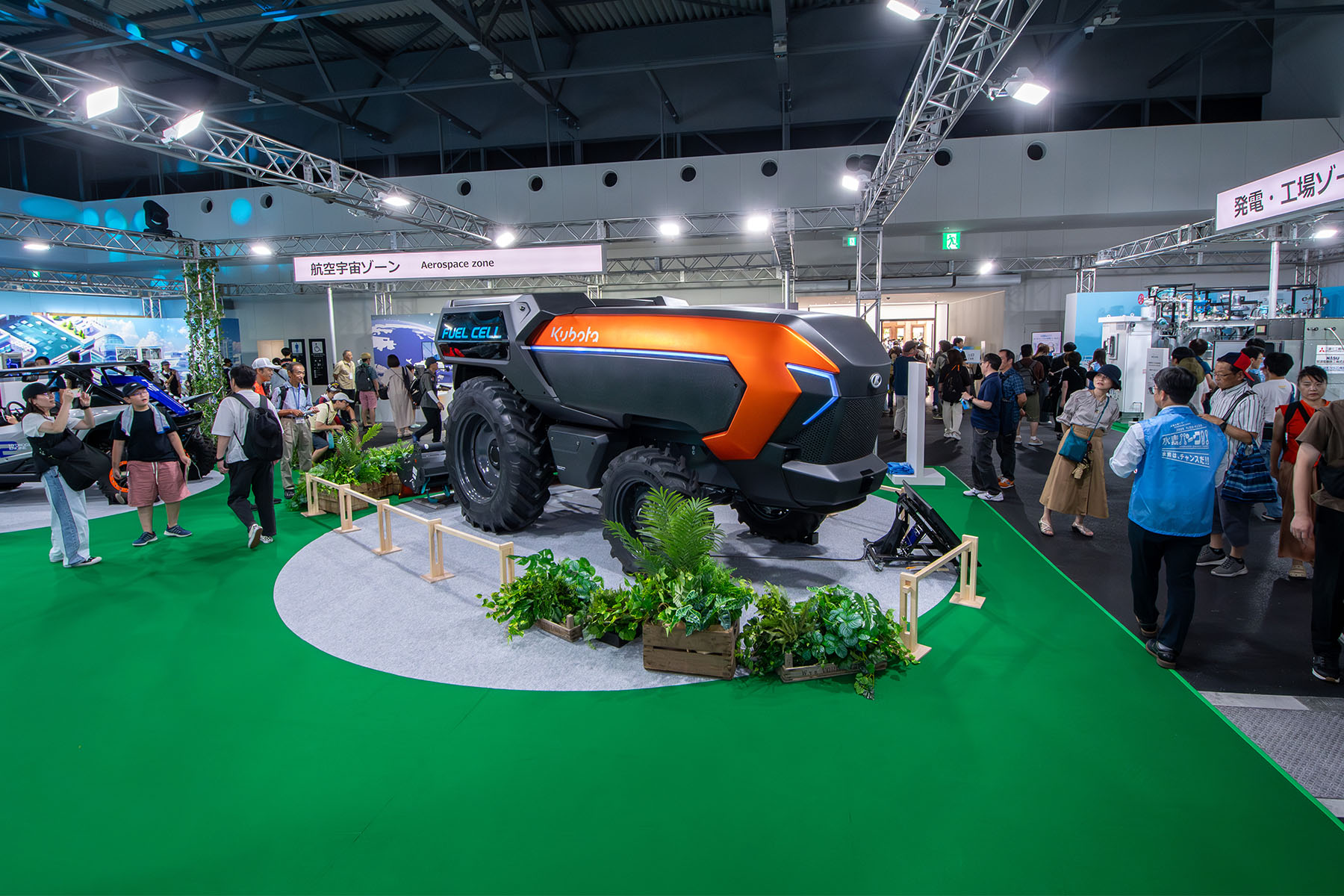
Comments from visitors who saw the autonomous FC tractor at the venue were filled with excitement: “It’s so cool!” “That’s impressive.” “The future of agriculture is here.” One hopeful remark came from someone involved in the sector: “This will make life easier for farmers in the future.” When the development team looks back on the event, hearing these words was the greatest reward of all.
“What left an impression on me was the sparkle in visitors’ eyes,” recalls Minamide. “They were genuinely amazed and excited by the concept of self-driving tractors powered by hydrogen.”
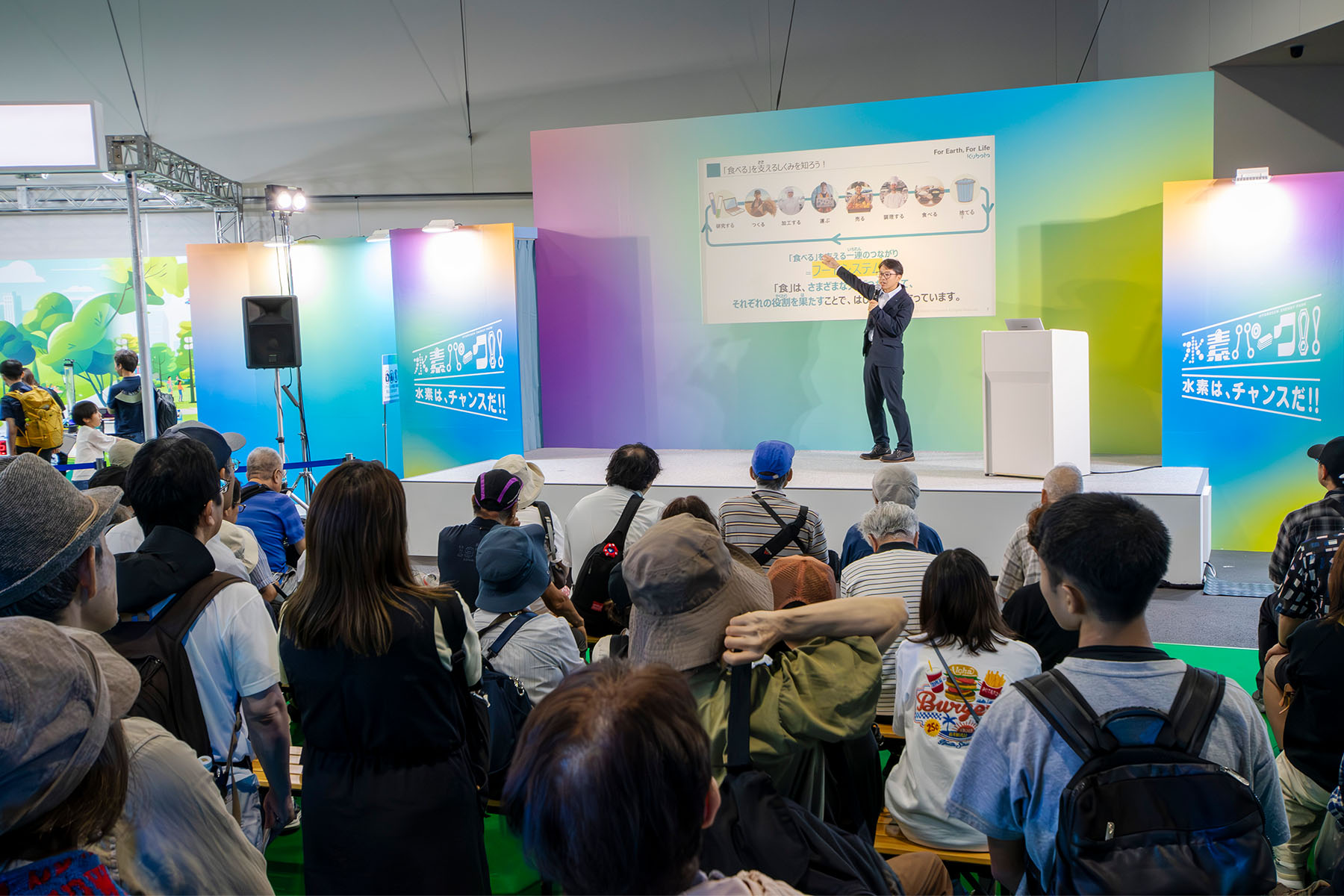
The development team was committed to proving the future, not just displaying it. Now that the exhibit has finished, Minamide and his team are proceeding to the next stage.
The young engineer Hatakenaka said, “I was involved as a specialist in electrical systems, and I believe there is still room for improvement and innovation. For efficiency, cost, and other aspects, I would like to keep refining the electrical-related design.”

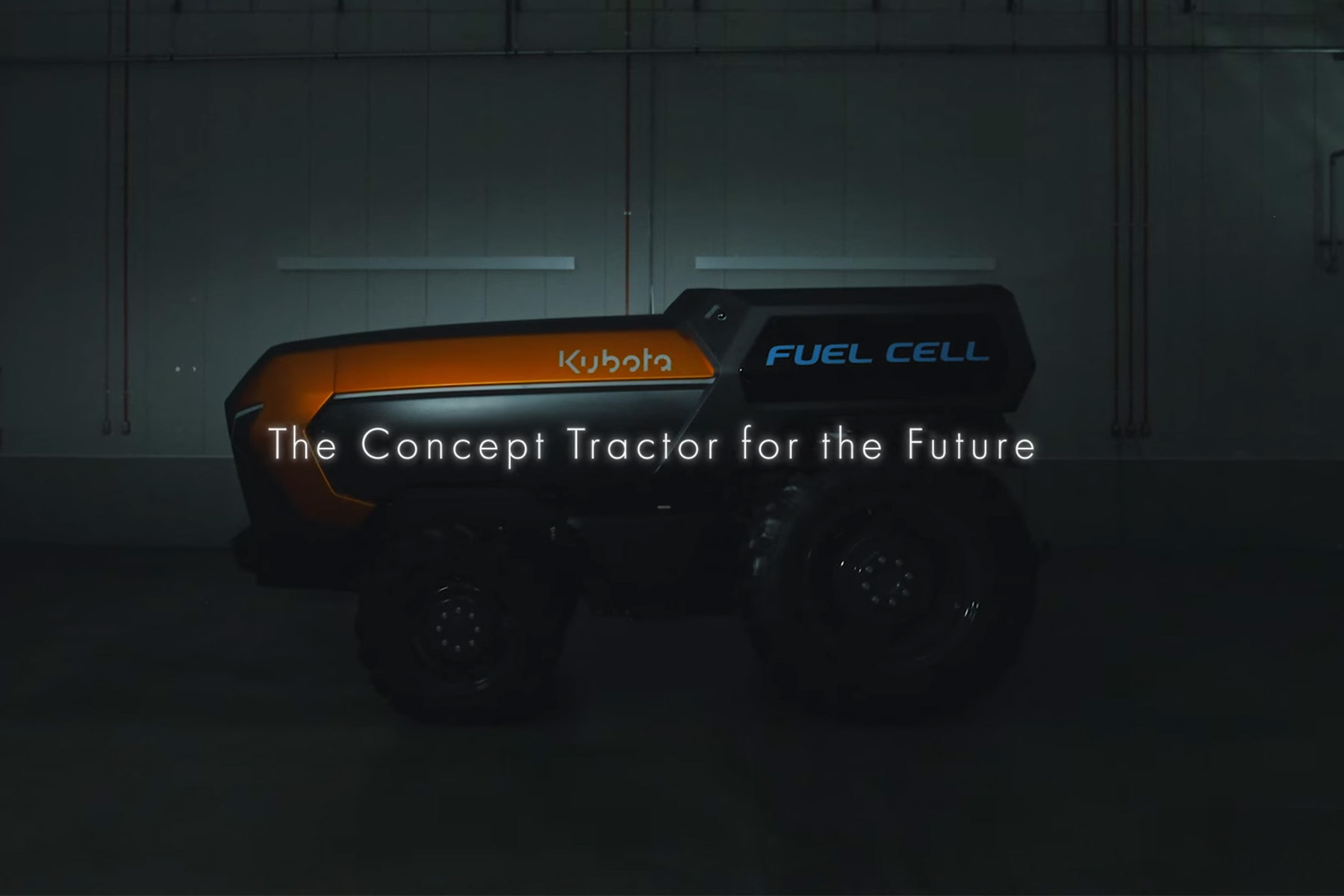
Autonomous Fuel Cell Tractor (YouTube)
Kubota’s Example of Planetary-conscious Agriculture
Planetary-conscious is a term that describes a state in which both a prosperous society and a sustainable global environment are made possible with consideration for planetary boundaries. The development of the autonomous fuel cell tractor was in itself part of the quest to realize this vision.
“In developing products, it is important to adequately address the needs of society,” says Minamide. “Just as this autonomous fuel cell tractor project is one attempt to address the problem of global warming, development moves in the direction of solutions when society faces a problem.”
“This tractor is one expression of commitment by Kubota toward its goal of realizing planetary-conscious food and agriculture,” says Tomida. “We hope to gain greater understanding for this goal among stakeholders through design.”
“When we reach our carbon neutrality goal in 2050, I’ll still be actively working for the company,” says Hatakenaka, reflecting his generation’s perspective. “This project is connected to that future. That’s why I’m giving it all of my effort.”
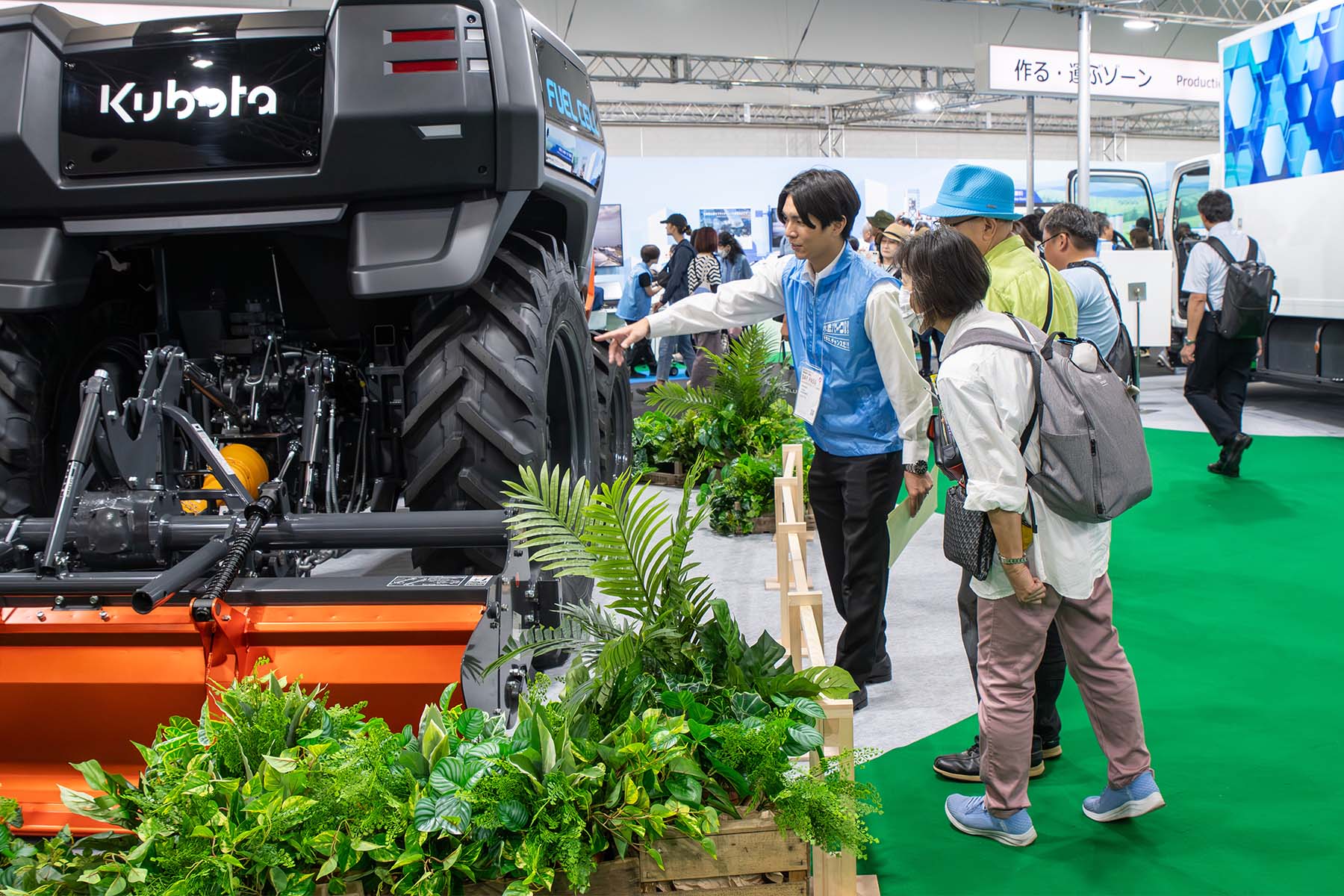
Kubota’s Eye on the Future
Hydrogen can not only be burned as fuel, but it can also be utilized as energy. As this new way of using hydrogen takes hold, it will reshape agriculture as well as society. The autonomous FC tractor is still in the basic research stage, but it offers a vision that’s powerful enough to spark questions within society.
The future of food and agriculture, and hydrogen.
These two may seem unrelated at first glance, but they are now working to cultivate the same future.