Labor shortages are a growing challenge shared by a wide range of industries. It is now commonplace to see robots delivering food to customers in restaurants and self-checkout lanes in supermarkets. Scenes that were rare just a few years ago have somehow become part of everyday life. Efforts to address labor shortages are quietly transforming the familiar scenes around us.
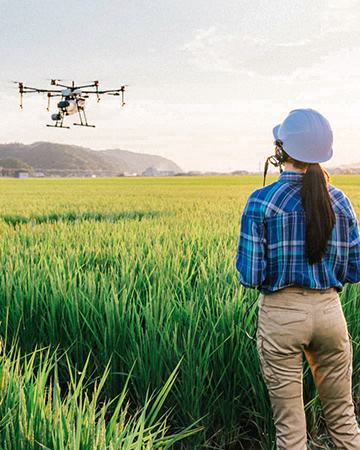
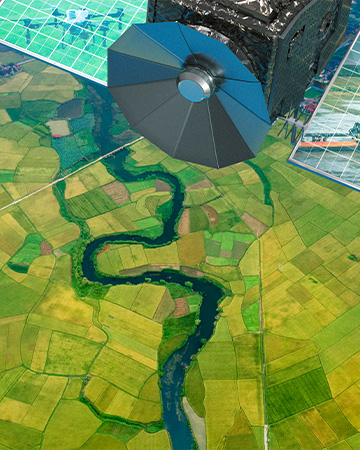
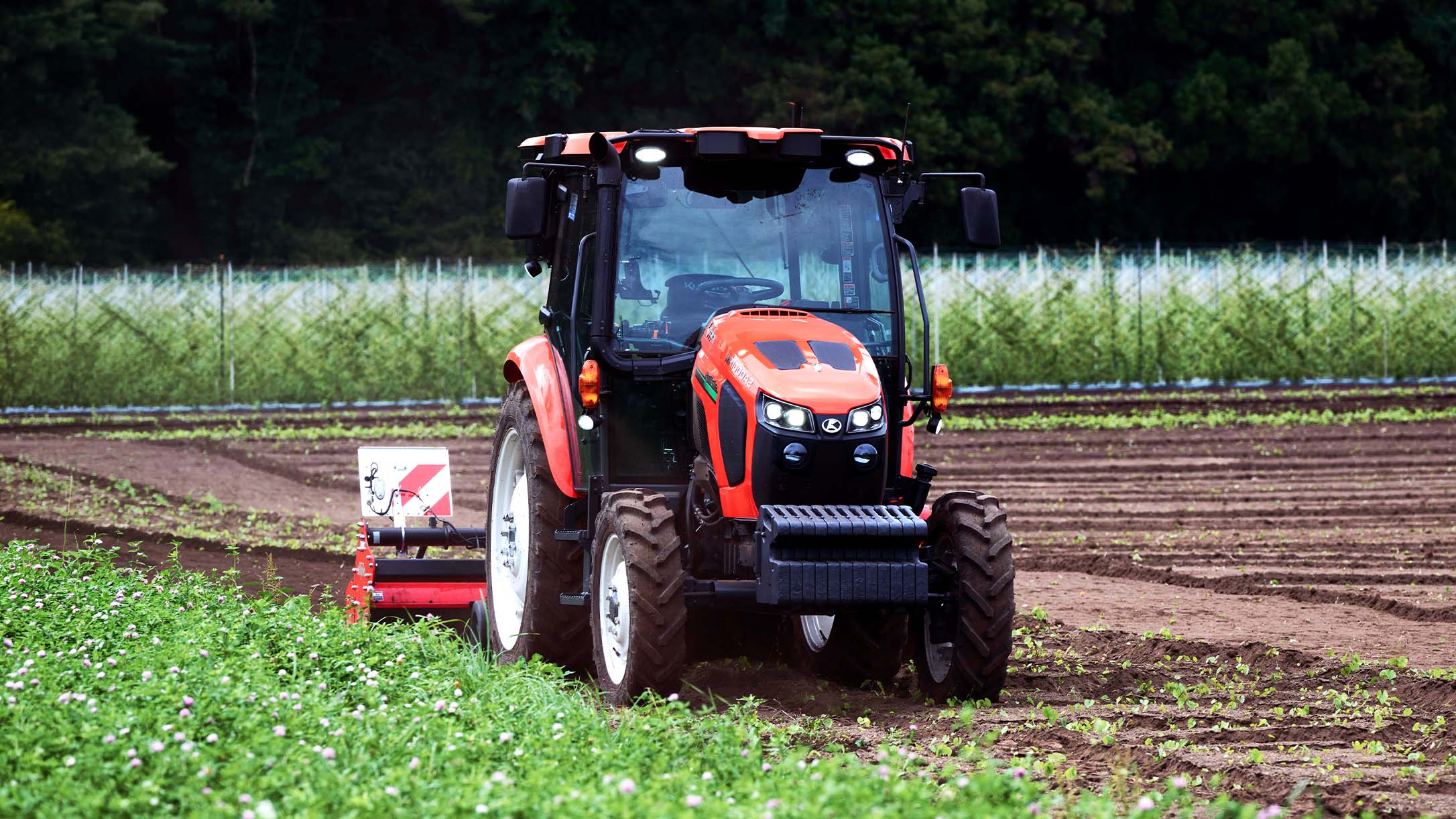
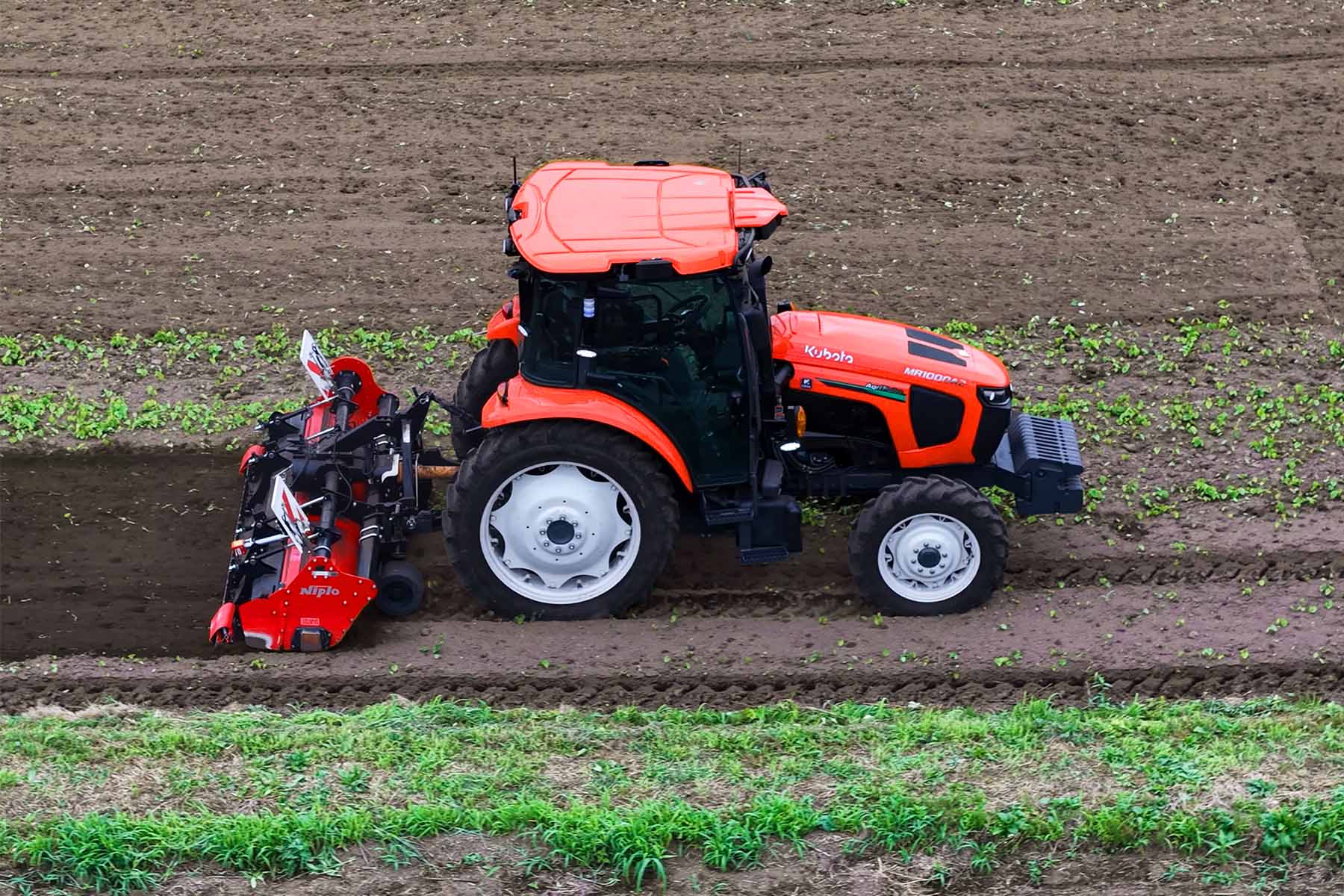
Agriculture has faced a shrinking workforce for many years, but as labor shortages become increasingly widespread across industries, the need for further solutions is becoming more urgent. Kubota has been working to boost agricultural productivity through mechanization, and in recent years the company has been advancing automation in tractors, combine harvesters, and rice transplanters. Now, to further boost productivity and reduce labor, Kubota has unveiled its New Agri-Robo Tractor that can perform a range of operations in rice and dry-field farming without an operator on board through remote monitoring.
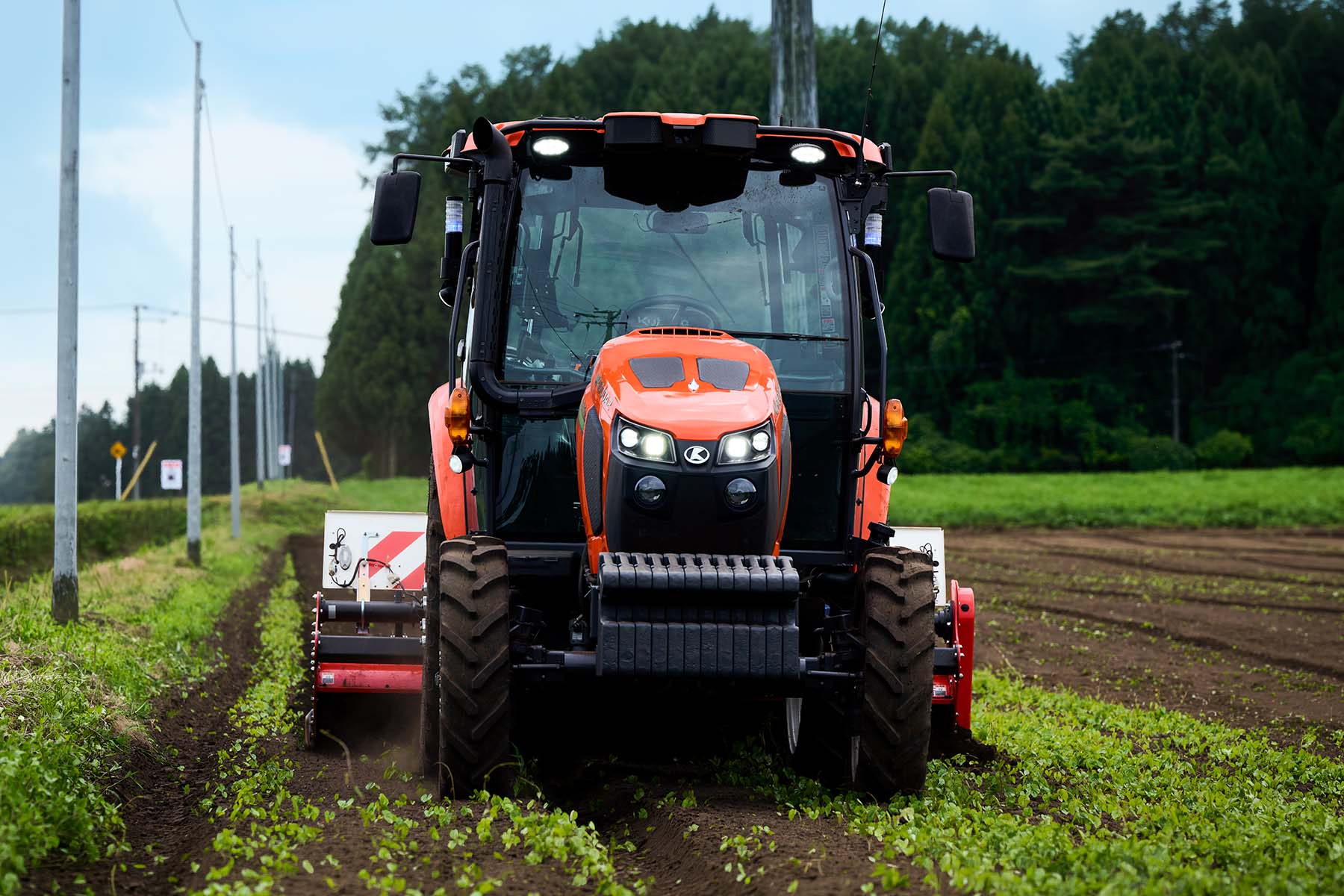
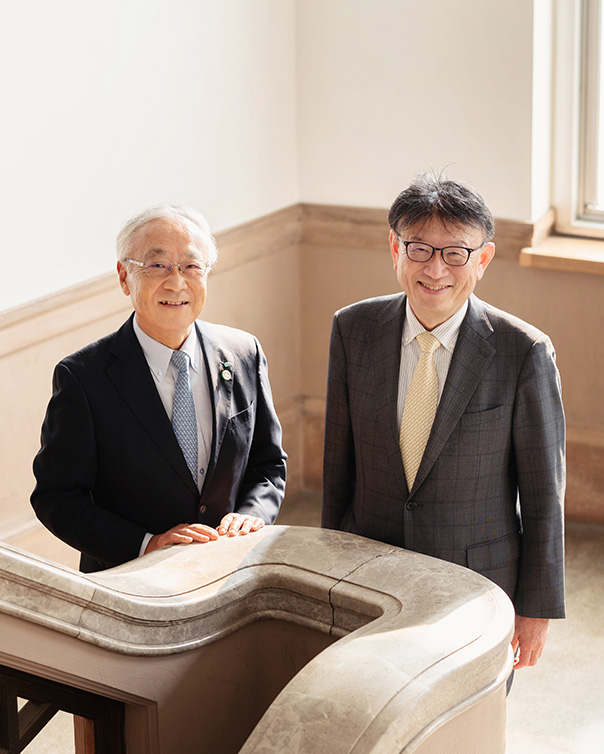
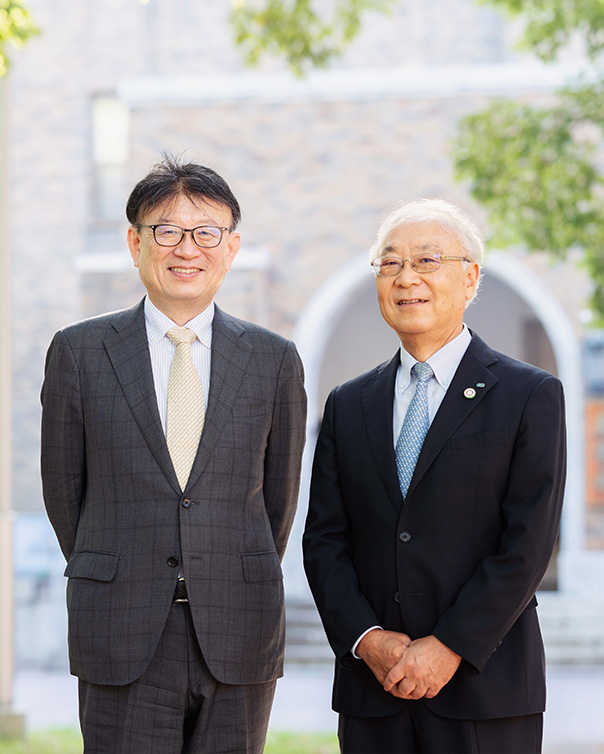
This article explores how autonomous operation through remote monitoring can help address the challenges facing agriculture. It features insights from the Hokuren Federation of Agricultural Cooperatives, which supports agriculture across Hokkaido, as well as Shinya Tsuruda, General Manager of Farm Machinery Japan Operation Headquarters, Kubota Corporation.
Farm Machinery That Frees Farmers from Staying Nearby
“The aging workforce and labor shortage in Japanese agriculture have been talked about for a long time, but I feel that we have truly reached a major turning point in the past few years,” says Tsuruda.
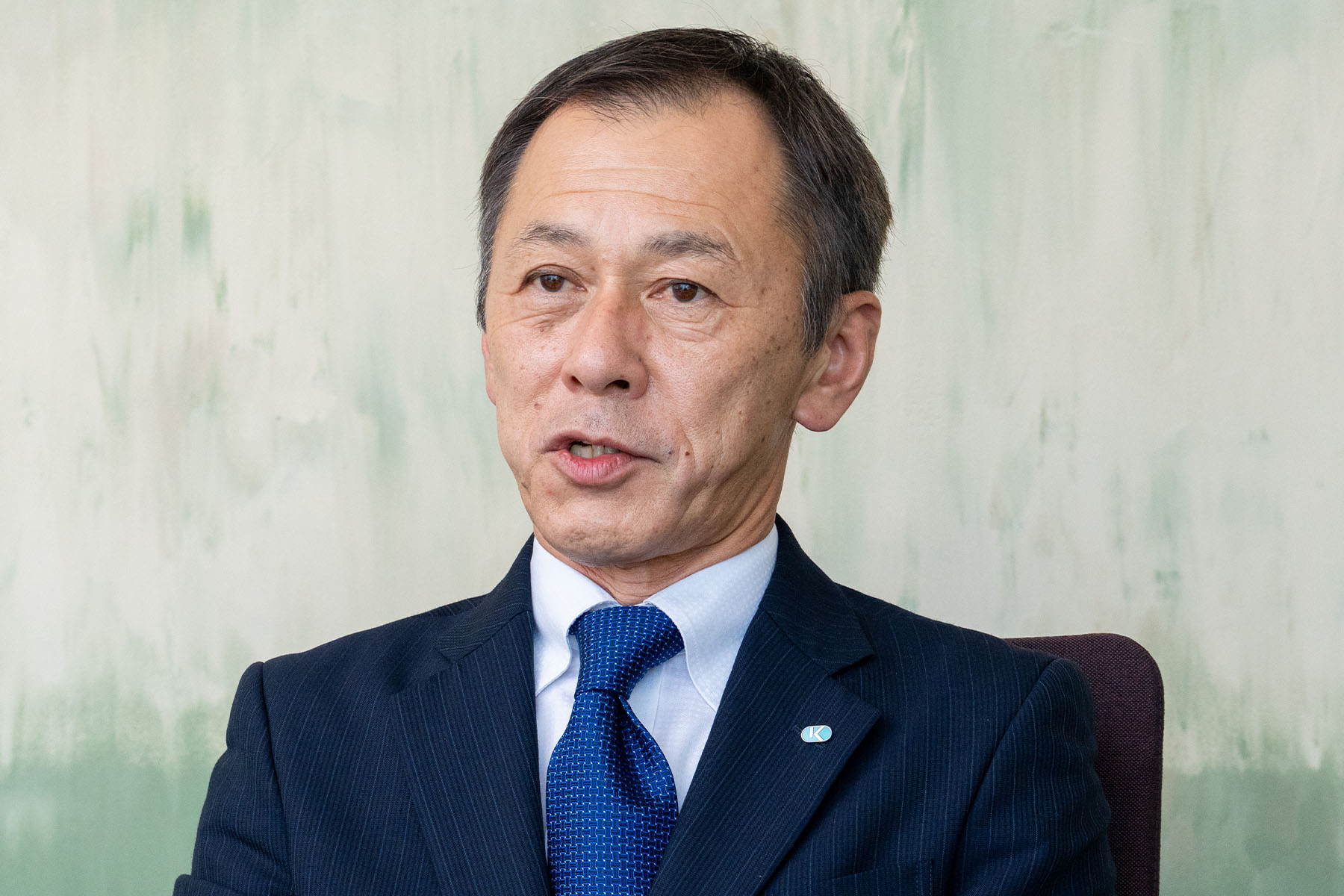
“Although the number of agricultural workers is declining, the total area of farmland and agricultural production yields have not decreased significantly, so someone is still keeping the work going,” says Tsuruda. “While some farmers are actively expanding their operations, I believe many others have taken on the work out of a sense of responsibility and desire to support their communities.”
To assist these farmers, the roles of agricultural machinery are also changing. In the past, machinery was mainly introduced to increase production capacity, and thus greater sizes and speeds were required. However, in recent years there have been greater calls for unmanned operation, automation, intelligent functions, and compatibility with implements, so that even inexperienced operators can do the work and to improve overall efficiency. As a result, tractors, rice transplanters, and combine harvesters equipped with automatic steering and autonomous driving capabilities have been introduced. However, even with unmanned autonomous tractors, an operator still needed to be present nearby.
“I believe the current Agri Robo series has been able to handle, to some extent, tasks that would normally require a skilled operator,” says Tsuruda. “However, it still had one limitation: it required visual monitoring, or monitoring by someone near the machine. We believe eliminating the need for someone to be nearby would deliver the true value of autonomous operation through remote monitoring.”
In large fields, a long time can pass between the tractor’s entry and completion of its work. If farmers no longer needed to stay near the machinery during that time, they could spend the same amount of time on other tasks, such as checking on other fields, handling shipments, or reviewing work plans in the office. The New Agri Robo Tractor that supports remote monitoring has the potential to change the ways farmers utilize their time.
The Challenges Farmers Face When Overseeing Large Fields
Farmland Rapidly Consolidating Among a Few Key Operators
“I was surprised to see that machines I had only seen in TV dramas were actually becoming a reality,” said Mr. Tomonobu Saito of the Hokuren Federation of Agricultural Cooperatives,*1 expressing his amazement at the emergence of autonomous agricultural machinery with remote monitoring.
- *1. An organization responsible for economic activities within the Japan Agricultural Cooperatives Group (JA Group) in Hokkaido. It has a Sales Business that supplies Hokkaido-produced agricultural and livestock products to consumers nationwide, as well as Purchasing Business and Farming Support that assist farm operations of producers.
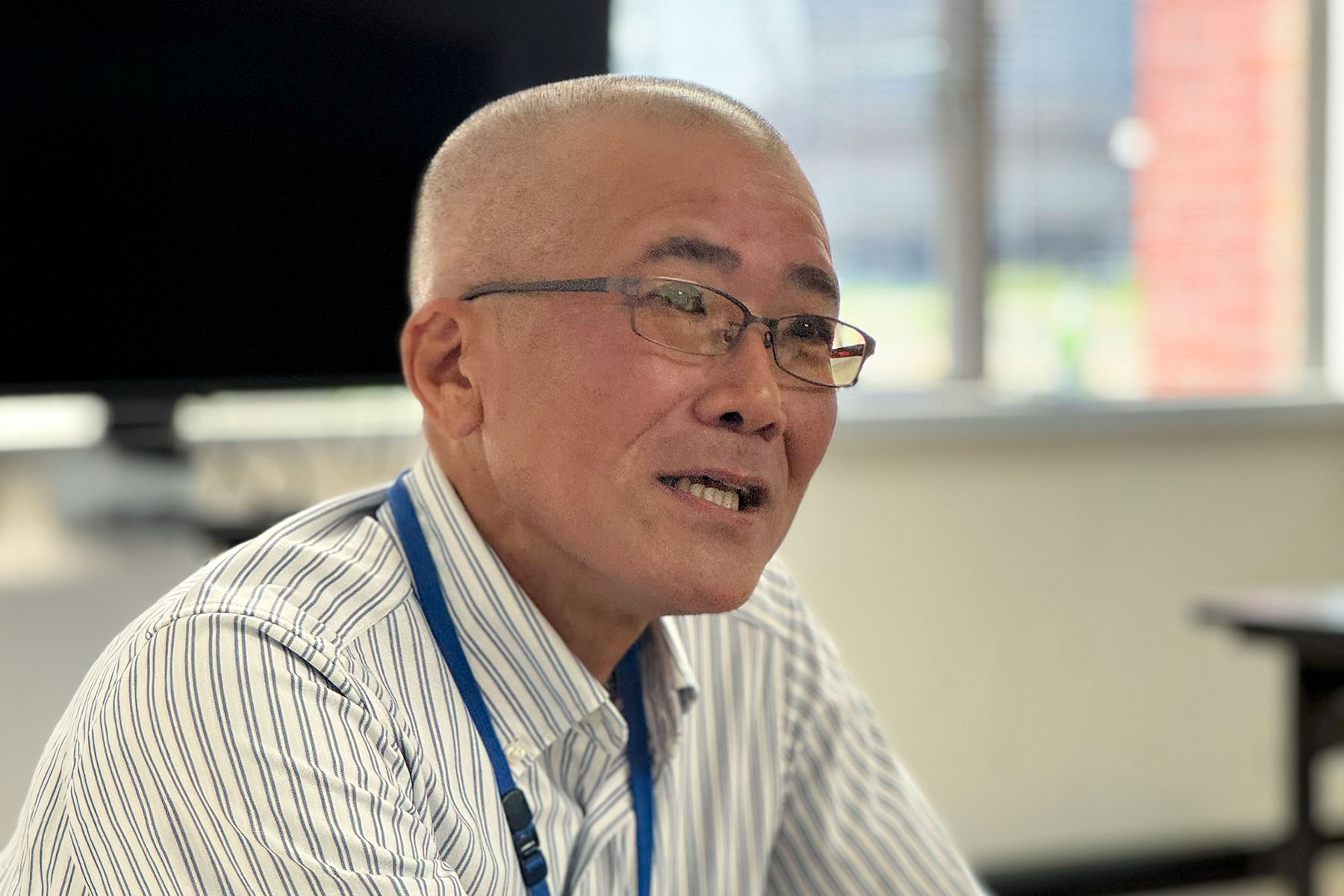
Hokkaido is one of Japan’s leading agricultural regions, home to the largest area of farmland in the country. This region is also witnessing an increase in the size of agricultural operations and consolidation of farmland among a few key operators. Mr. Saito describes the changes taking place in Hokkaido agriculture:
“In Hokkaido, farm abandonment and workforce aging are progressing very rapidly, and farmland that has been left without anyone to manage it is increasingly being consolidated into the hands of key operators in each region. As a result, the area of farmland overseen by one farmer is growing. The challenge for farmers is how to manage these large areas of land with a small workforce.”
One Farmer Managing the Equivalent of More Than Ten Baseball Stadiums
Mr. Saito shared an example of dry-field farming from the Tokachi region that shows the reality facing family-run farms.
“In this farm, a husband and wife manage 60 to 70 hectares of farmland. The husband is basically the only one operating the agricultural machinery. The wife sometimes helps with machinery during the spring planting season and other times, but the husband handles most of the farm work on his own.”
In other words, while the scale varies depending on the crops and region, there are cases in which a single operator is effectively responsible for managing 60 to 70 hectares of farmland, an area equivalent to roughly 13 to 15 Tokyo Domes or other large arenas.
The Demands of Managing Farms Separated by Several Kilometers
The challenges facing Hokkaido farmers are not limited to the size of their farms. “As farmland is consolidated, farmers taking on larger operations often end up managing scattered plots,” says Mr. Saito. “They may have dozens of separate fields that are more than five kilometers apart.” Managing such vast areas involves more than just doing farmwork. Farmers also have to handle logistical tasks such as traveling between fields, supplying seeds and fertilizer, and transporting harvested crops.
In particular, dry-field farming in Hokkaido usually involves crop rotation, with farmers growing combinations of crops such as potatoes, sugar beets, wheat, and legumes. Each crop has its own optimal cultivation timing, while weather conditions can affect everything from sowing seeds and transplanting to harvesting.
“I believe timing for tasks is one of the biggest concerns for farmers increasing the scale of their operations,” says Mr. Saito. “If bad weather prevents them from working in the fields for even a single day, their plans for sowing, transplanting, and harvesting can be disrupted. I think farmers really feel that sort of pressure.”
A farmer’s work is about much more than operating machinery. Farmers must inspect fields spread across vast areas, determine the order for tasks, coordinate workers, and make decisions based on weather conditions. As the size of their operations expands, farmers take on a greater role both as workers and as operators managing fields, people, and time. Managing vast, scattered farmland with limited people and limited time has become one of the biggest challenges facing farmers today.
Increasing Consolidation of Farmland Throughout Japan Among Key Operators
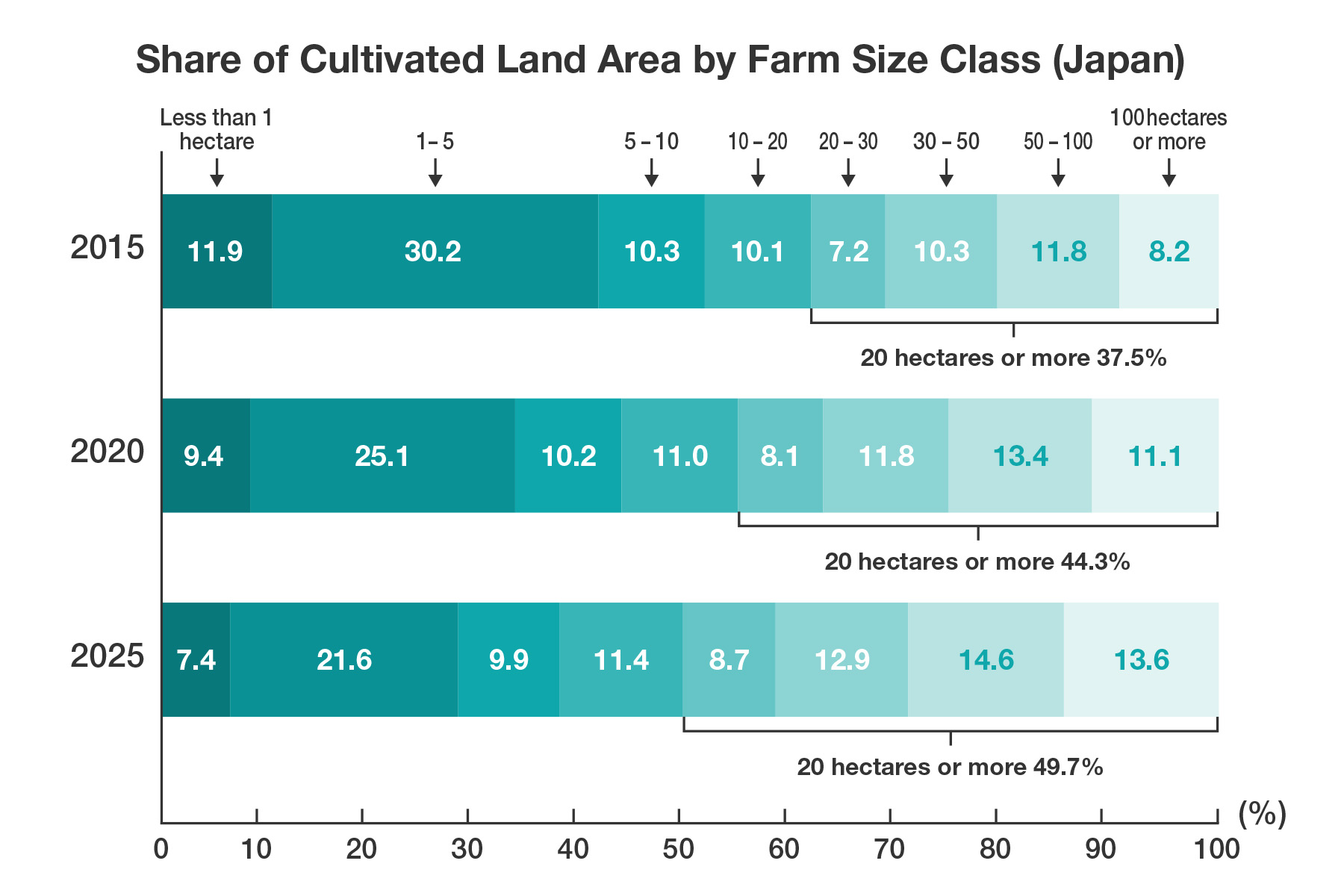
The situation facing agriculture in Hokkaido is clearly not rare when viewing overall trends in Japan. According to the Ministry of Agriculture, Forestry and Fisheries’ “Census of Agriculture and Forestry,” the number of core farmers decreased by 24.0% over the five years from 2020 to 2025, from 1.363 million to 1.036 million. Meanwhile, Japan’s total cultivated land area decreased by just 3.0%, from 4.372 million hectares to 4.239 million hectares. While the amount of farmland requiring care has remained relatively stable, the number of people caring for it has fallen by roughly a quarter.
Who will take over this farmland that is not significantly decreasing in size? The average area cultivated by a single management entity has increased from 3.1 hectares five years ago to 3.6 hectares. Moreover, management entities farming 20 hectares or more now account for 49.7% of Japan’s cultivated farmland. This is up from 37.5% ten years ago. In other words, more and more farmland is being consolidated by a relatively small number of key operators.
What Farmers Need from Machinery Manufacturers in the Future
On farms, the roles of agricultural machinery are changing. In the past, greater horsepower and wider widths for work were key priorities. While these remain important, in recent years there has also been demand for machinery that can enable a limited number of people to manage large areas of farmland, along with maintaining the precision and quality of work while reducing the burden on farmers.
“Personally, I believe robotic tractors represent the next major technology,” says Mr. Saito. “I hope that if remote monitoring allows one person to get work done overseeing multiple machines, this technology can help address challenges such as labor shortages and managing excessively large areas of farmland.”
“In the interest of ensuring that farming can sustainably continue with a smaller workforce, I hope the burden can be reduced on farmers through technologies such as autonomous operation and remote monitoring. I’m looking forward to technologies that will allow one person to manage a larger area of farmland. Also, for operators, it’s important to be able to see benefits after introducing new technology. I hope agricultural machinery manufacturers will work alongside farmers as partners, helping them find solutions to the challenges they face.”
Offering Time, Space, and Personnel: The New Value Offered by Autonomous Operation Under Remote Monitoring
Now that the New Agri Robo Tractor capable of autonomous operation under remote monitoring has been unveiled, Tsuruda highlighted four of the roles that Kubota can fulfill as an agricultural machinery manufacturer:
- Making farm work easier
- Providing tools to support farm management decisions
- Offering a service network that keeps agricultural machinery running
- Building a community where users can communicate
Advancing smart agriculture as a whole will help make farm work easier. In particular, Tsuruda explains that the new technology of unmanned autonomous operation through remote monitoring can contribute to a new way of farming that is less constrained by time and location.
“If the people who are driven to sustain local agriculture become exhausted, agriculture itself will no longer be sustainable,” says Tsuruda. “I believe remote monitoring can offer time, space, and personnel so that everyone can support local agriculture even more. This could be the true value that the New Agri Robo Tractor brings.”
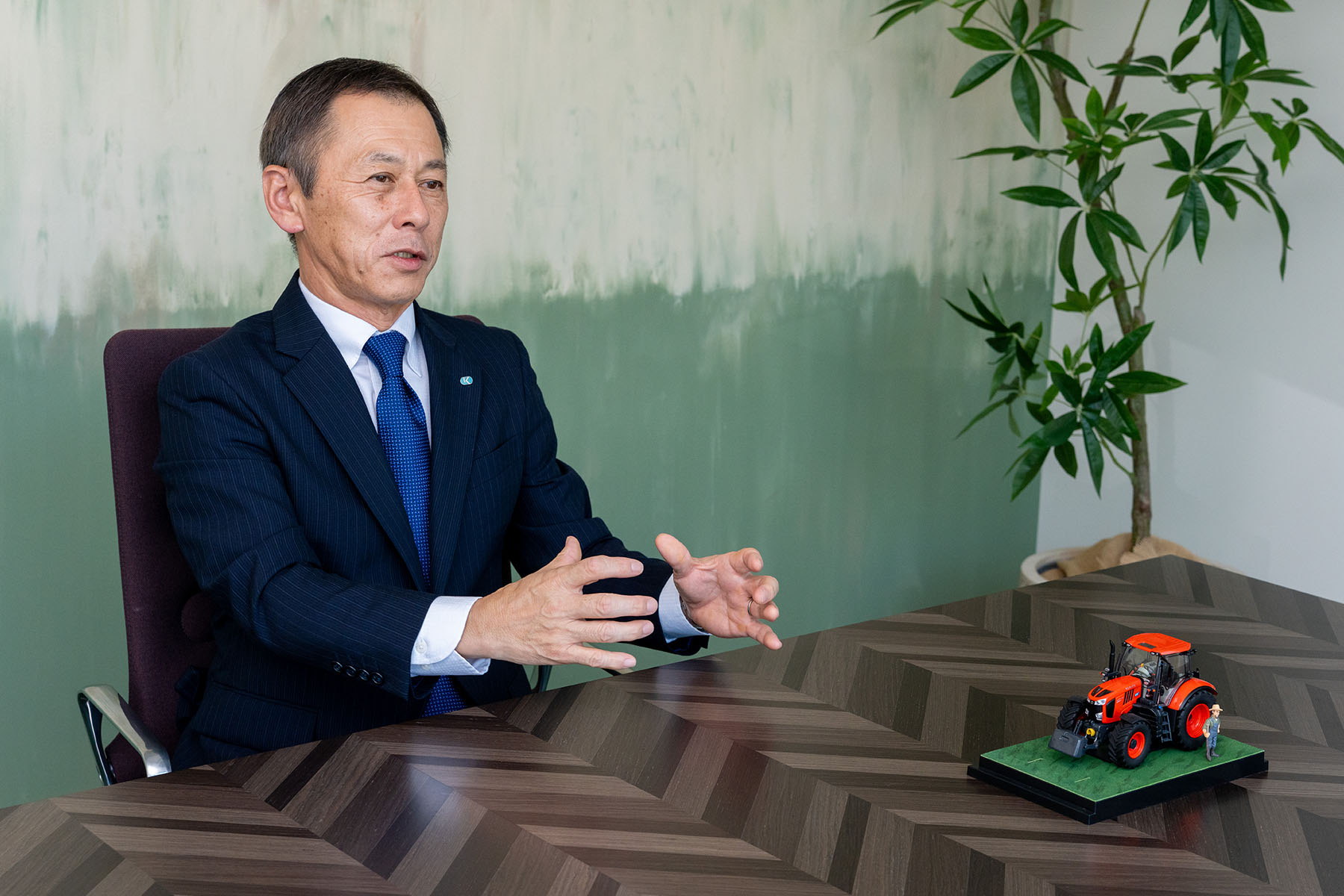
Japan is one of the first countries to face the challenges of a shrinking and aging agricultural workforce. In Japan, agricultural machinery has evolved step by step, from basic mechanization to ride-on machinery, greater operator comfort, automation, and then unmanned operation. Autonomous driving through remote operation represents another step forward in this evolution. Looking ahead, systems and services that enable agriculture to be supported by fewer people are expected to advance further. As he watches these developments, Tsuruda believes that the technology and expertise cultivated in Japan could also contribute to agriculture across Asia.
“The world is big, so we shouldn’t make generalizations,” says Tsuruda. “But there are some parts of Asia with climates similar to Japan’s, as well as countries where agriculture has just begun to move toward mechanization. I would like to see the technologies and experience cultivated in Japan be put to use contributing to farming and food production in those countries. Perhaps Japan can take the experience it has built one step at a time and help them skip ahead by two or three stages at once.”
The number of people engaged in farming is expected to continue declining. Yet the farmland will remain, and people will still need food. Machinery will help to sustain farming with a smaller workforce. As the general concept of agricultural mechanization continues to evolve, autonomous operation through remote monitoring is emerging as a new way to support farmers and sustain agriculture in local communities.


Related Articles