KUBOTA TECHNICAL REPORT No.58 DECEMBER 2025
Kubota was founded in 1890 and marked its 135th anniversary in 2025. As a “platform provider supporting life” dedicated to realizing a sustainable Earth, society, and prosperous livelihoods, we will continue its research and development efforts with the aim of being an indispensable presence for all. Kubota Technical Report No. 58 features articles on high-clearance tractor, utility vehicles, and rice transplanters that improve work efficiency for customers (users); new earthquake-resistant ductile iron pipes with enhanced workability; cabin air-conditioning comfort improvement technologies developed using analytical methods; and an infection-trend monitoring system developed through industry-government-academia collaboration. We hope this report provides a better understanding of Kubota’s initiatives.
Farm & Industrial Machinery
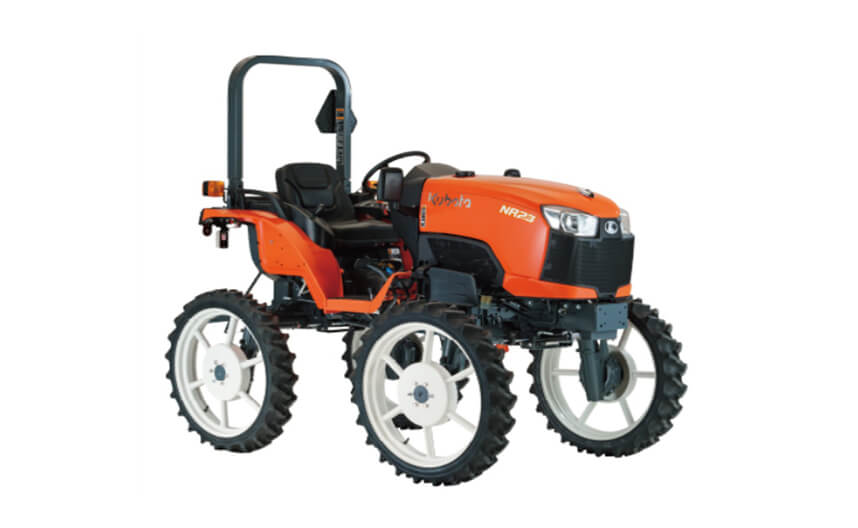
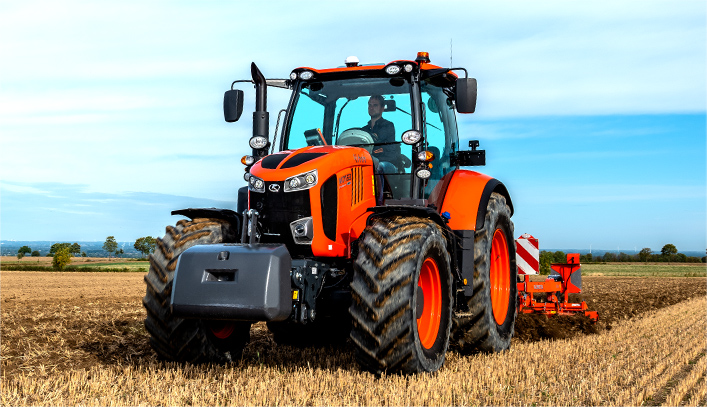
Development of High-clearance Tractor “NR Series” for the Domestic MarketTractor Enginieering Dept. IFarm and Industrial Machinery R&D Dept. III
In Japanese agriculture, as consumers' awareness of 'food safety and security' increases, there is a growing demand for reduced use of pesticides. Intermediate management tasks are crucial for reducing pesticide use, but these tasks require significant manpower and effort, making the efficiency and labor-saving of intermediate management tasks a challenge. To address this issue, Kubota has developed a highclearance machine on a tractor base and introduced it to the market to improve work efficiency. This paper introduces the development technology of this highclearance Tractor.
- High-clearance Tractor
- 4-wheel Steering
- Operability
- Electric Control
- Safety Features
- 【Related SDGs】
-




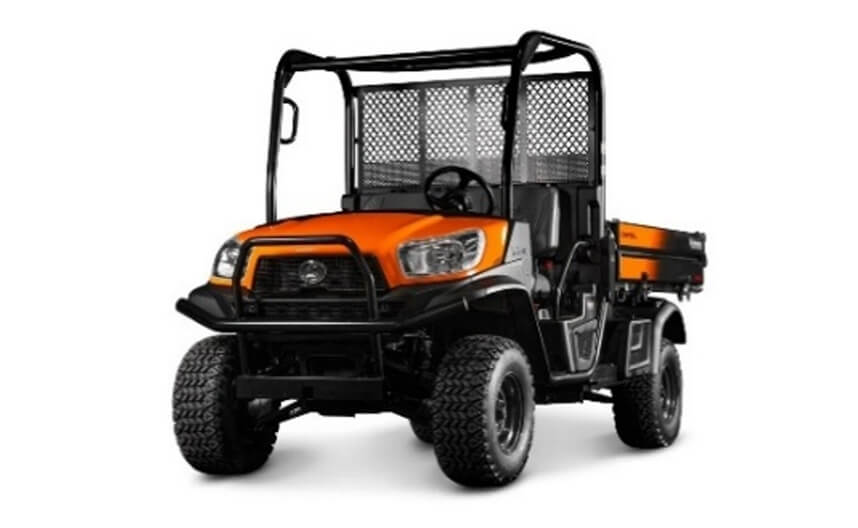
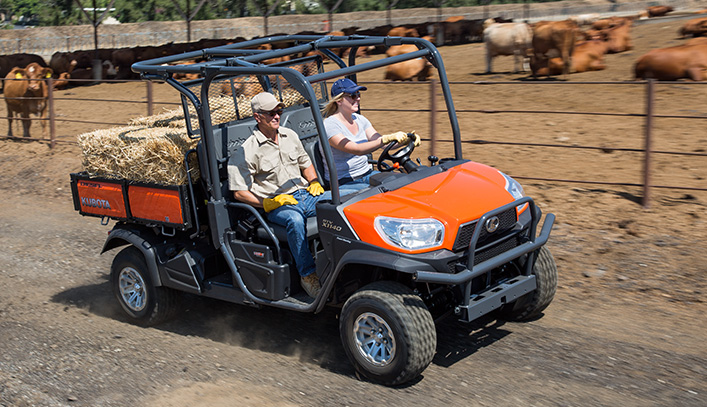
Development of the RTV-X1130 Long-bed Utility VehicleKubota Research & Development North America Corporation
RTV-X1130 is a derivative model introduced to expand the lineup of the RTV series. This model is directed towards the work-focused customer who wants the larger capacity of a long-bed model. The development concurrently provided several accessories to expand the model’s functionality. This model has been well received, and the work-focused customer appreciates the option to purchase a model which caters to their needs. In the first full year of sales RTV-X1130 shipments exceeded original target by more than 30 %.
- Long-bed Utility Vehicle
- Folding Side Gate
- Cargo Winch
- 【Related SDGs】
-


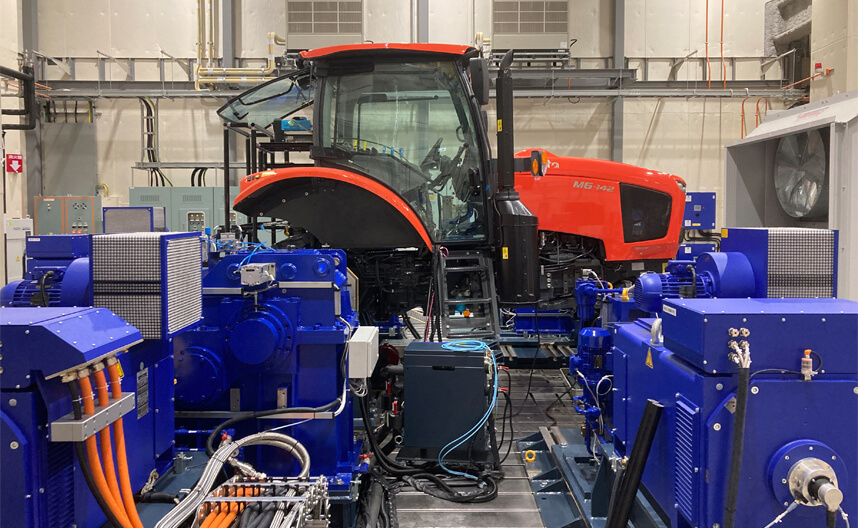
Development of the Evaluation Technology for the 5-axis Powertrain Testbed Following the MBDFarm and Industrial Machinery R&D Dept. IIIFarm and Industrial Machinery R&D Dept. V
In recent years, in the tractor market, there has been a demand for higher functions, higher speeds, and lower fuel consumption, including the introduction of CVT. In order to cope with the increasing sophistication and complexity of transmissions (T/M), it has become necessary to accelerate the development of T/M performance. In this study, introducing a 5-axis powertrain testbed (four wheel dynamometer axes and one PTO dynamometer axis), the vehicle dynamics simulation was coupled with the four wheel dynamometer axes to enable bench testing of vehicle driving conditions. A method to reproduce the DLG PowerMix test (a tractor fuel consumption test) was established through integration with a PTO dynamometer and a hydraulic load unit and by recreating the load caused by PTO power and hydraulic power supply to the implement. This is expected to enhance development efficiency, reduce costs, and improve Kubota's tractor performance and market competitiveness.
- Tractor
- Powertrain
- Drivability
- Fuel Consumption
- Bench Test
- MBD
- 【Related SDGs】
-

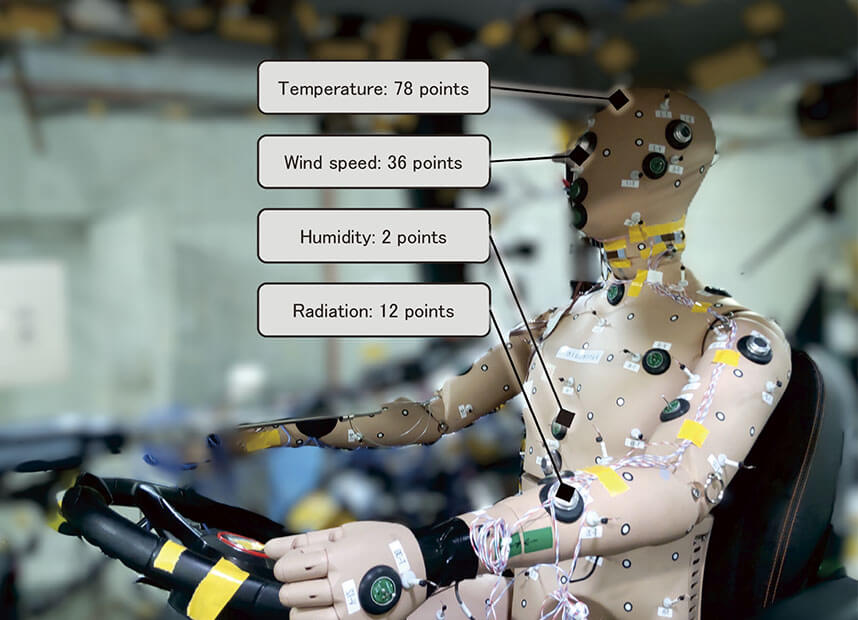
Development of Technology to Improve the Comfort of Cabin Air ConditioningAnalysis Center
In this study, we developed a technology to improve thermal comfort within the cabins of agricultural machinery. Given the current situation where the number of agricultural workers is decreasing and the burden on operators is increasing, enhancing cabin comfort is essential. Therefore, we aimed to identify and predict comfort levels and improve them efficiently. Specifically, we used the SET* index to determine the comfort range and employed analytical techniques to calculate the thermal balance within the cabin and predict comfort levels. Additionally, we proposed ergonomically designed air conditioning ducts to achieve a balance between comfort and energy efficiency. These efforts are is expected to contribute to increased productivity in agricultural work and a reduction in CO2 emissions, thereby lessening the environmental burden.
- Fluid Analysis
- Thermal Comfort
- Carbon Neutrality
- Tractor
- Combine
- 【Related SDGs】
-
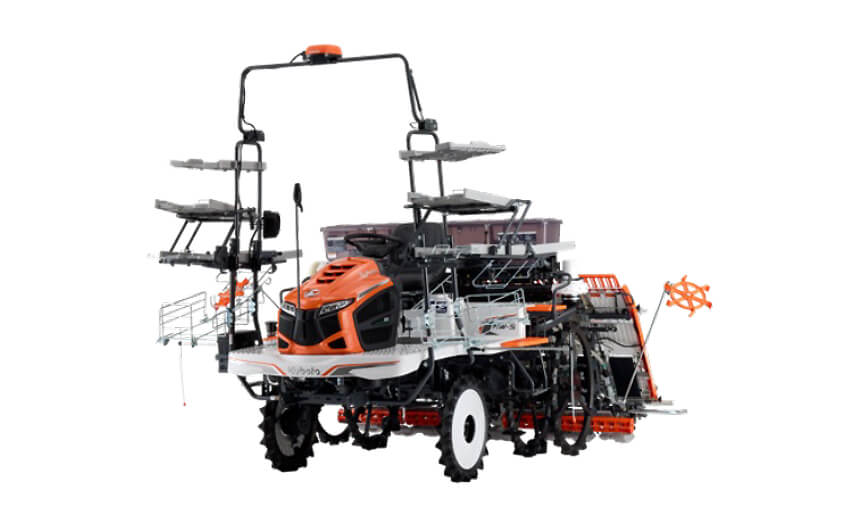
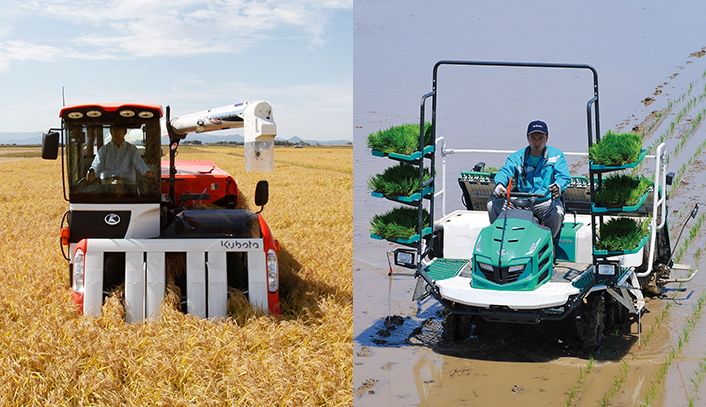
Development of the Riding-type Rice Transplanter NW60S / 80S for the Japan MarketTransplanter Engineering Dept.
The decline and aging of agricultural workers in Japan is continuing, leading to a further consolidation of farming into capable hands. To meet the needs of these farmers, the current series has focused on improving the basic performance of rice transplanters. As a further initiative, based on market demands, we are introducing the development of a successor model to the NW series with a focus on enhancing “ease of use” and “work efficiency.” Specifically, we are concentrating on improving the usability of the “keeping straight function” and enhancing the work efficiency of the seedling replenishment process.
- Rice Transplanter
- Keeping Straight Function
- Seedling Replenishment Process
- Ease of Use
- Work Efficiency
- 【Related SDGs】
-
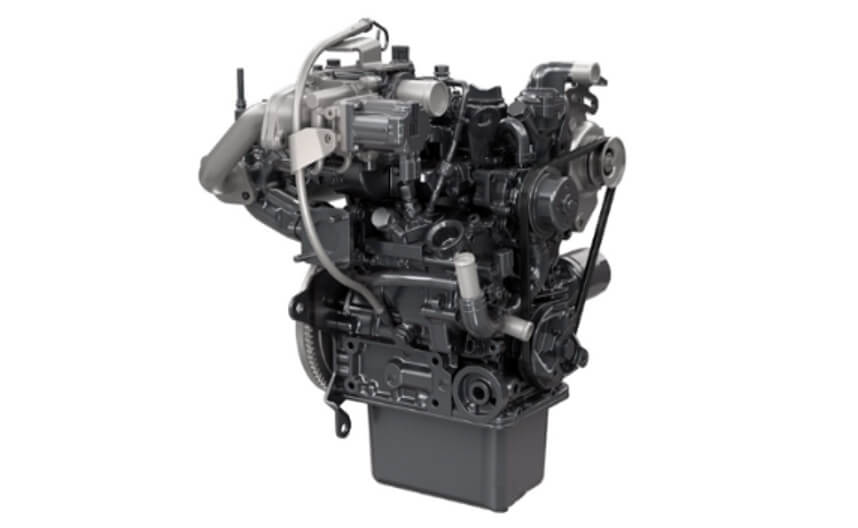
Development of the Diesel Engine Z482-K for European Quadricycle in Compliance with the EURO5+ StandardEngine Engineering Dept. I
In Europe, there is a market for Quadricycle that can be driven on public roads without a license. Kubota supplies the mechanically controlled Z482 diesel engine to manufacturers producing quadricycles, having shipped 17,000 engines in 2024. The EURO5+ vehicle emissions regulation for European quadricycles came into effect in January 2025. The EURO 5+ regulations impose stringent requirements, mandating an 84% reduction in NOx and a 94% reduction in PM emissions. To meet the EURO 5+ regulations, the mechanical Z482 engine adopted an electronically controlled fuel injection system, aiming to achieve compliance through the integration of only essential emission-reduction devices, while considering vehicle packaging constraints and cost competitiveness. We aim to achieve compliance without the use of SCR and DPF, focusing instead on utilizing DOC and EGR systems as exhaust emission reduction devices. This paper will discuss approaches for optimizing the electronic-controlled engine for compliance with EURO 5+ regulations, improvements in combustion through the optimization of the combustion chamber shape, and the development of a compact EGR design that balances EGR distribution performance and installation feasibility.
- Z482-K
- TVCR
- Electronic Control
- Vehicle Emissions
- EURO5+ Emission Regulation
- 【Related SDGs】
-


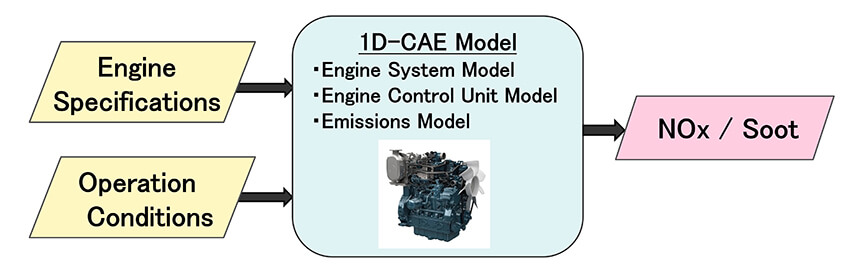
Development of Emissions Prediction Technology Using 1D-CAE and AIEngine Engineering Dept. III
Emissions regulations for off-road diesel engines are becoming stricter worldwide, and the California Air Resources Board’s (CARB) next Tier 5 rulemaking under consideration will require significant reductions in nitrogen oxides (NOx) and particulate matter. Furthermore, the importance of evaluating emissions under actual-use conditions is growing worldwide, creating even more complex development requirements. In this context, it is crucial for the extension of Kubota’s engine business to bring regulation-compliant engines to market quickly. However, the conventional development method of repeated prototyping and testing requires a vast number of man-hours, so Kubota is working to improve efficiency through model-based development (MBD). As part of this effort, this paper proposes and validates analytical methods for predicting emissions during transient test cycles, such as the non-road transient cycle (NRTC) and the lowload cycle (LLC).
- 1D-CAE
- Emissions Regulations
- Diesel Engine
- Machine Learning
- Simulation
- 【Related SDGs】
-
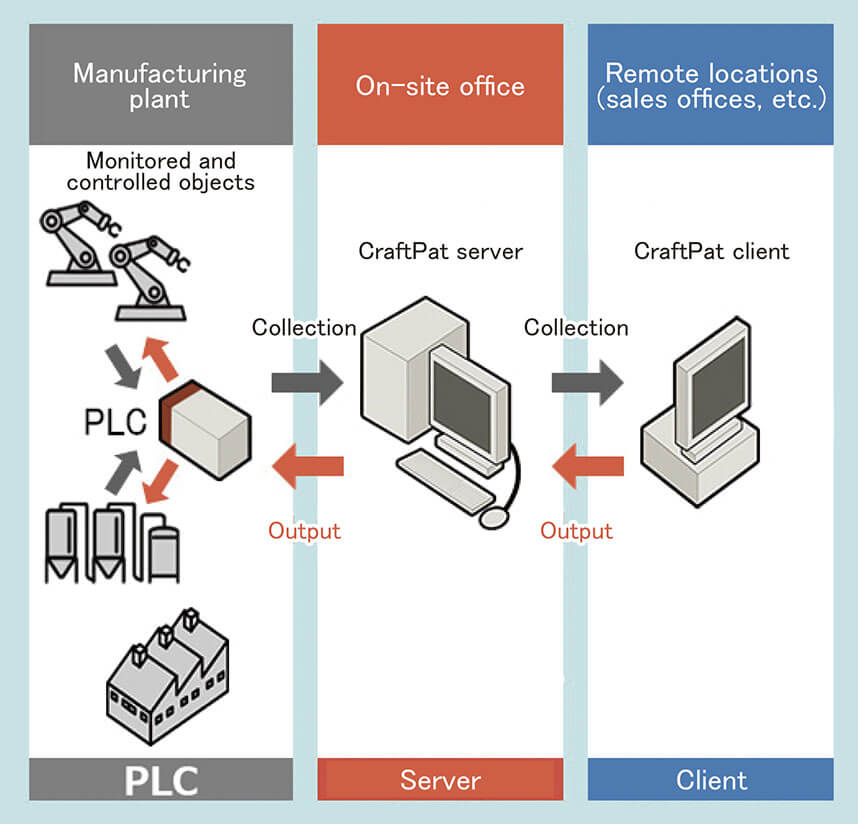
Development of the Next Generation of the Monitoring and Control System “CraftPat”Measurement System Dept.
The in-house developed monitoring and control system, “CraftPat” provides a solution for centralized management and visualization of on-site data, such as the operational status and process data of facilities. This has contributed to solving various on-site challenges, including reducing operator burden, cutting costs, improving operational efficiency, managing energy, and ensuring quality control. This time, to respond to the diversification and sophistication of customer needs, we aimed for the next generation of CraftPat. While maintaining conventional high-speed monitoring performance, we achieved enhanced scalability while looking ahead to AI control and data analysis, multi-platform compatibility for clients, improvements of reporting functions, and strengthened security.
- Monitoring and Control System
- Remote Monitoring
- SCADA
- Visualization
- Web
- Software Development
- 【Related SDGs】
-
Water & Environment
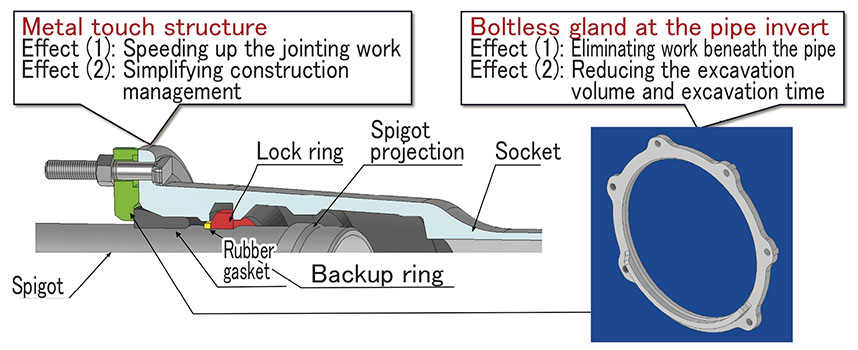
Development of the New Earthquake-Resistant Ductile Iron Pipe GENEX (DN500–1000)Pipe Systems Networks R&D Dept.Pipe Systems Quality Assurance Dept.
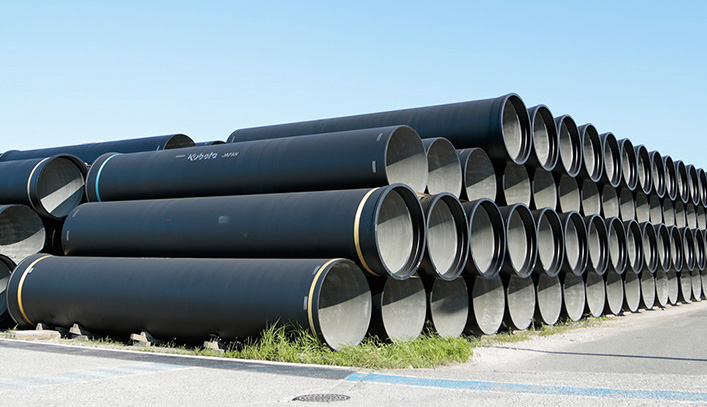
As part of national policy, high targets have been set for enhancing the seismic resistance of trunk pipelines. NS-type ductile iron pipes, known for their excellent toughness and seismic performance, have long been widely used for critical trunk pipelines of DN500–1000. With their widespread adoption, there have been growing requests for easier installation and lower-cost seismic pipelines. To meet these needs, we developed “GENEX,” a new DN500–1000 seismic ductile iron pipe that provides the same seismic performance as NS-type pipes, while reducing installation costs and simplifying jointing.
- Earthquake-resistant Ductile Iron Pipe
- Improved Jointing
- Reduction of Pipeline Laying Cost
- Reduction of Environmental Impact
- Metal Touch
- Boltless Gland at the Pipe Invert
- 【Related SDGs】
-

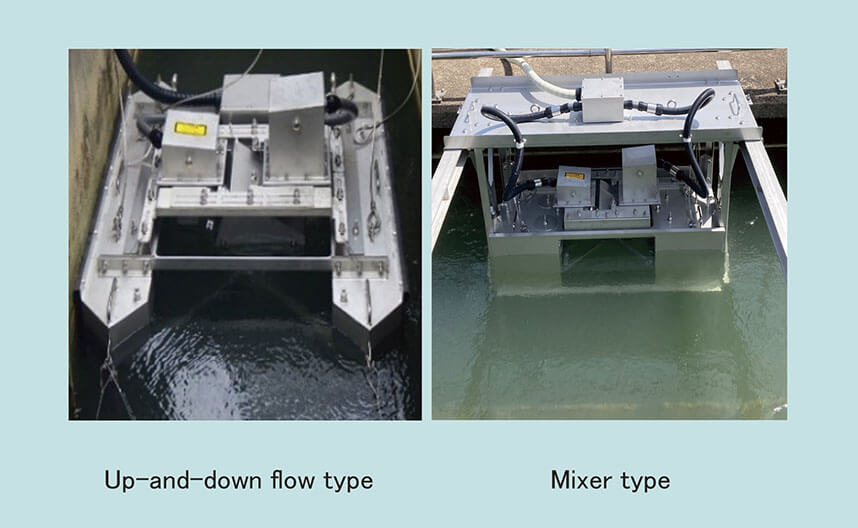
Development of Drinking Water Coagulation Control SystemWater and Environment R&D Dept. II
For labor saving and manpower reduction in drinking water treatment plant operation, an automatic coagulation control system was developed. With a renewed machine learning approach built on previous operation data, human-level performance in coagulant dosage decisions was achieved. Meanwhile, based on images obtained by a floating monitoring device, coagulation status evaluation was conducted constantly to ensure effluent water quality. Furthermore, pre-information application of operation details based on predicted influent turbidity was also developed to gain a more rational and efficient operation plan. Field verification was conducted at the Inagawa Water Treatment Plant. The results confirmed that the system functioned effectively, demonstrating its potential for reliable practical operation.
- Drinking Water Treatment
- Coagulant
- Injection Control System
- Influent Turbidity Prediction
- Machine Learning
- 【Related SDGs】
-
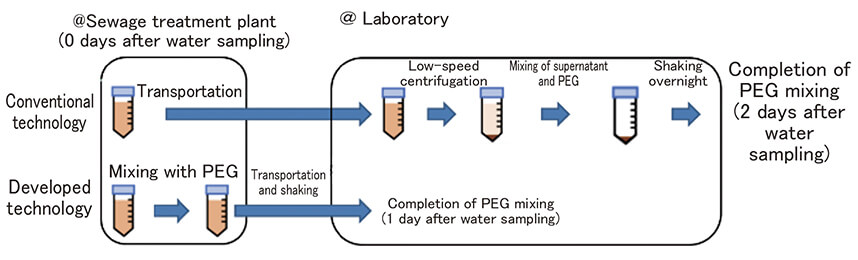
Development of Infection Trend Monitoring Using Wastewater SurveillanceWater and Environment R&D Dept. IITechnology Innovation R&D Dept. III
Wastewater surveillance is a method for monitoring infectious disease outbreaks by measuring the concentration of pathogenic microorganisms in wastewater. To achieve the societal goal of building resilience to infectious diseases, we report on a real-world implementation of wastewater surveillance that employed transdisciplinary research. In this research, local governments, interdisciplinary researchers/experts, and Kubota Corporation collaborated to develop the concept and technology while collecting input from citizens and medical associations. As a result, a system is being implemented to enable effective public disclosure of wastewater surveillance information.
- Wastewater Surveillance
- Transdisciplinary Research (TDR)
- Sewerage
- Infectious Disease Prevention
- 【Related SDGs】
-

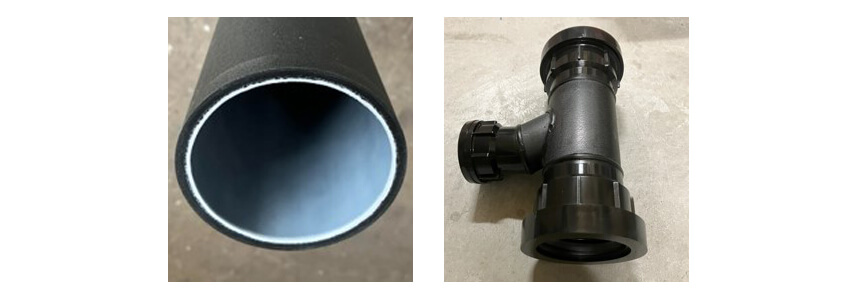
Research and Development of Polypropylene Pipes and Fittings for High-Temperature Wastewater (Mainly for Commercial Kitchens)Kubota ChemiX Co., Ltd.
In the core market in the building equipment sector, there are potable water and hot water piping, air conditioning piping, and drainage piping, with metal piping currently being the mainstream. Through user needs assessments, it has become clear that there are many requests for the development of lightweight and easy-to-install resin piping instead of heavy metal piping. Especially in the commercial kitchen drainage piping market, there are high demands for heat resistance, chemical resistance, and low thermal expansion; however, there were no products made by Kubota Chemix that met all of these demands. This report describes the development of resin pipes and fittings that meet these performance demands.
- Pipes
- Fiberglass
- Polypropylene
- Heat Resistance
- Chemical Resistance
- 【Related SDGs】
-
Introduction Article
- Introduction of the KSIS BLUE FRONT Equipment Monitoring System“KEMOS”
New Products
- Flat-installation Type / Waterproof Type for the“WATARAS”, Water Remote Management System in Paddy Fields